
![[2026 Dubai Travel Guide] 30 Attractions Map, Transport, Accommodation, Itineraries & Visas | Ultimate Guide](/_astro/00-dubai-prep.DiRjdXR4_Z1m70l3.webp)
![[2026 Dallas Travel Guide] 20 Must-Visit Attractions, Transport, Safety & Itinerary | Dallas](/_astro/00-dallas-prep.OQ0hQ3Rg_aFsvL.webp)

![[Abu Dhabi Travel Guide] 15 Must-Visit Attractions + 4 Days 3 Nights Itinerary | Visa, Transport, Currency, Dress Code & Pass Guide](/_astro/00-abu-dhabi-prep.DOnqdKj1_Z2ff20S.webp)
![[Ultimate Helsinki Travel Guide] 25 Must-Visit Attractions ★ Maps, Transport, Accommodation & Itinerary | Helsinki](/_astro/51-helsinki-prep.nKPI1J5c_Z5EN8F.webp)
![[2026 New York Travel Guide] Map of 35 Must-Visit Attractions, Transport, Safety & Itinerary Planning](/_astro/00-new-york-prep.DgplSFA4_Z27s55s.webp)
![[2026 Las Vegas] Top 30 Attractions, Transport Guide, & Itineraries | The Ultimate Pre-Trip Planning Guide](/_astro/00-las-vegas-prep.DG6JE2Xl_Z2krY7e.webp)
![[London Travel Guide] 36 Must-Visit Attractions ★ Maps, Transport & Itinerary | London Pass Money-Saving Tips | London](/_astro/00-london-prep.BZWJIVCW_21IFhv.webp)


![[2026 San Francisco Travel Guide] 35 Attractions by Neighborhood, Transport, Safety & Itineraries | San Francisco](/_astro/00-san-francisco-prep.BE-nWeLM_2gILQX.webp)

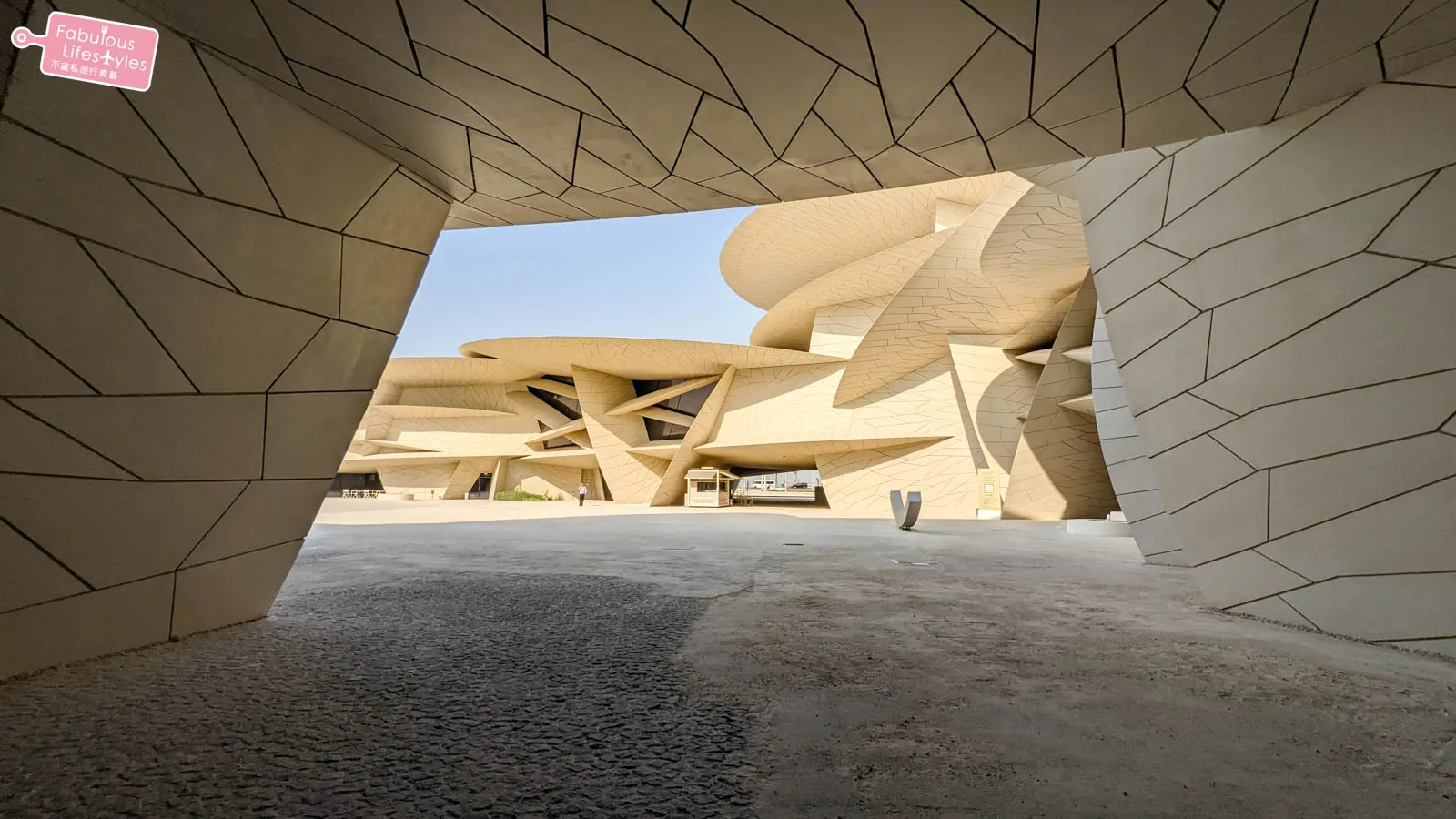
The National Museum of Qatar in Doha opened its doors on March 28, 2019. The striking building was designed by French architect Jean Nouvel, whose inspiration came from one of the most remarkable things found in the Arabian desert — the desert rose crystal.
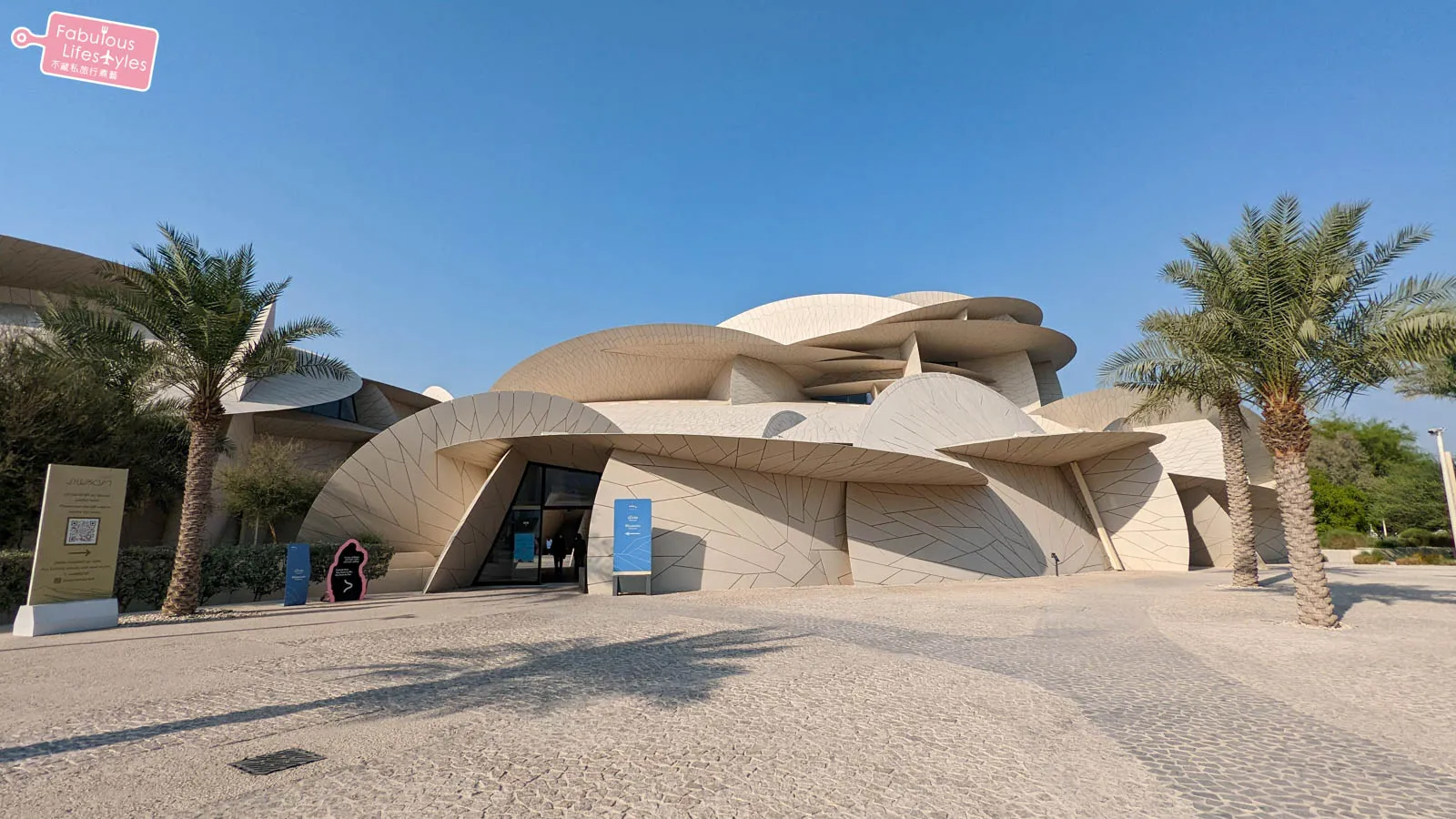
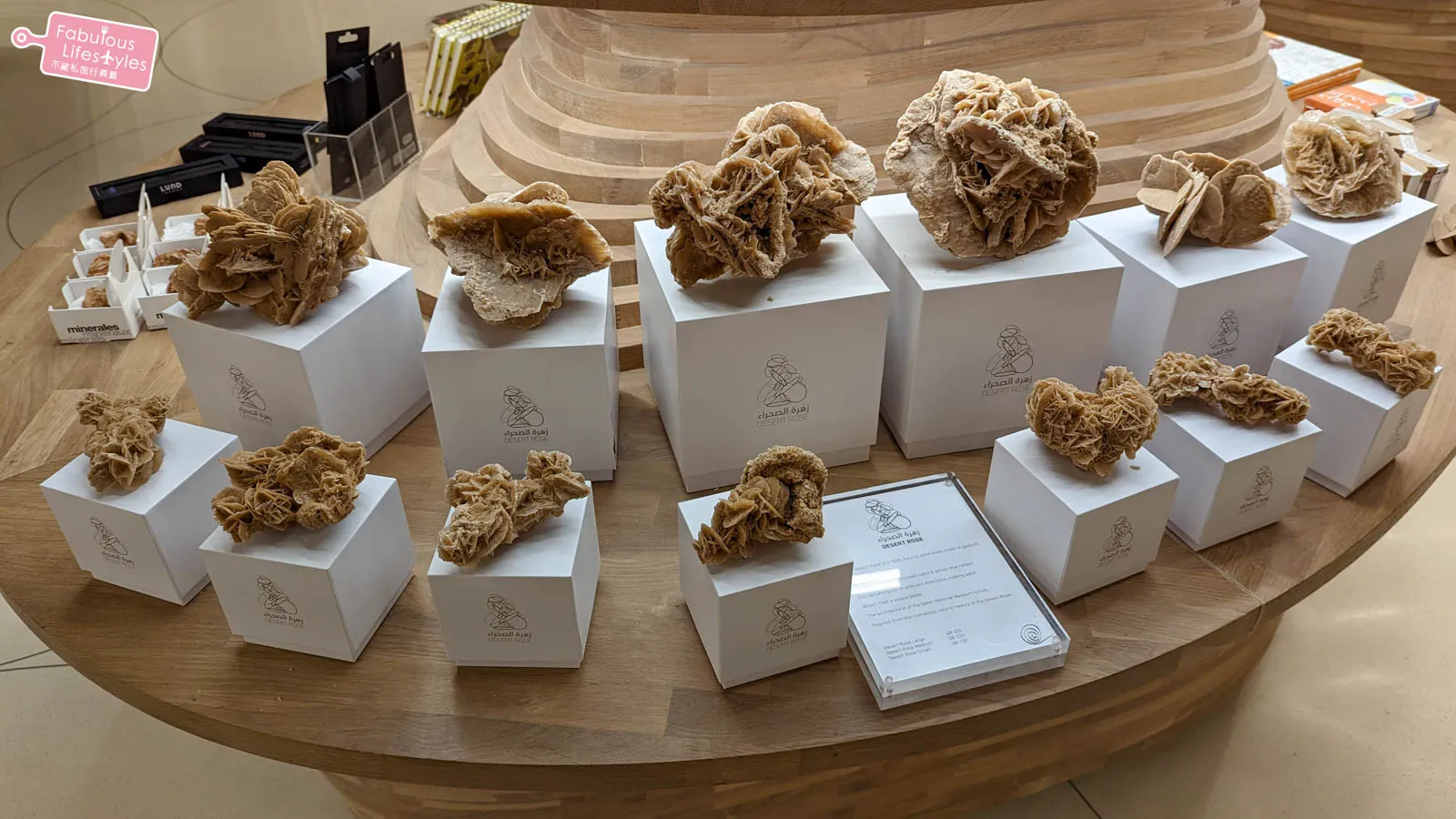
Desert rose crystals are minerals that form naturally in arid desert environments, composed of gypsum or barite, and named for their uncanny resemblance to a blooming rose. Remarkably, Qatar is actually one of the places where these crystals occur naturally.
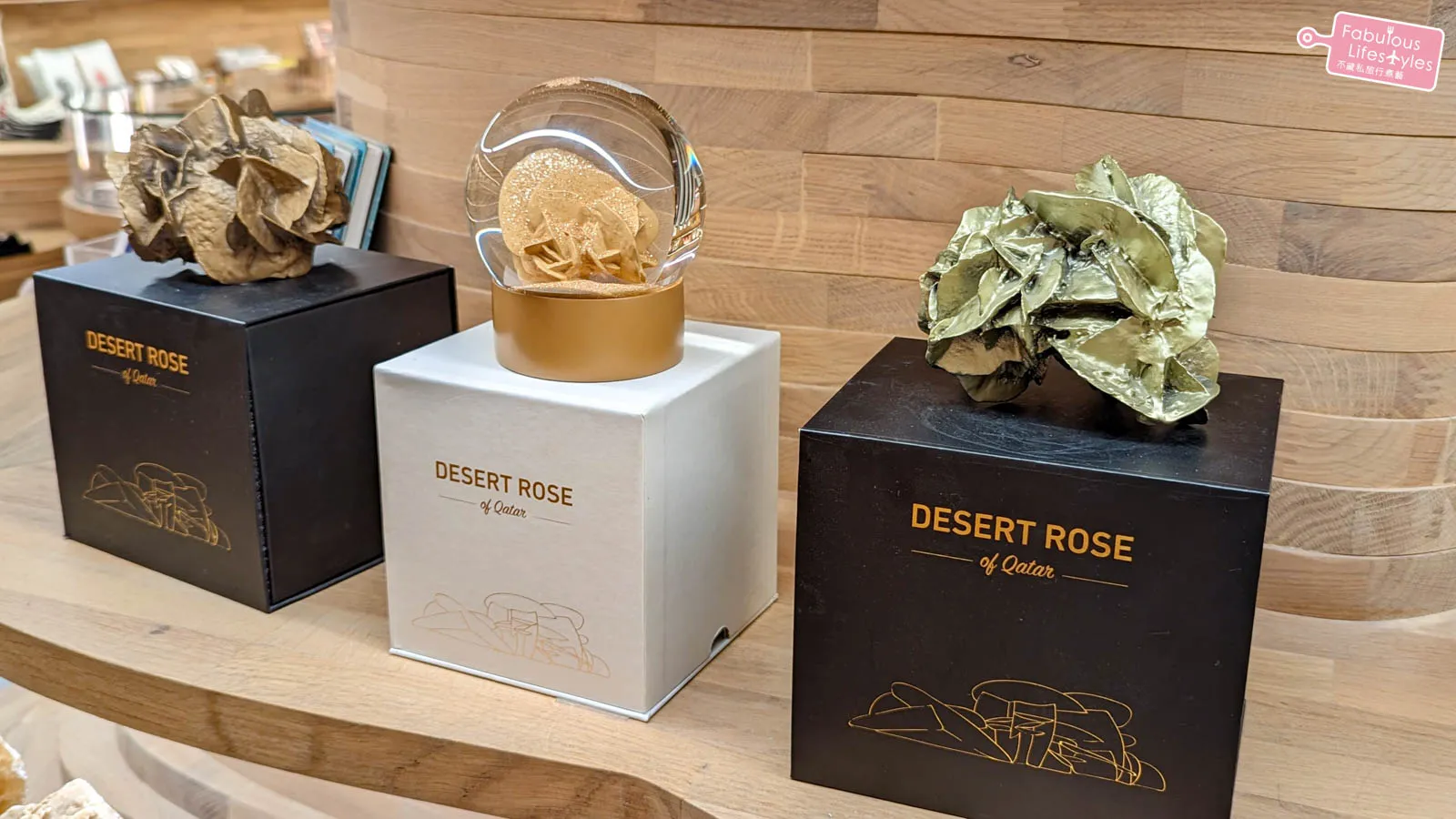
When we spotted a real desert rose crystal in the gift shop, the whole design concept suddenly clicked — the museum really is a breathtakingly faithful recreation of that form, rising up from the Doha skyline like a giant desert rose in full bloom.
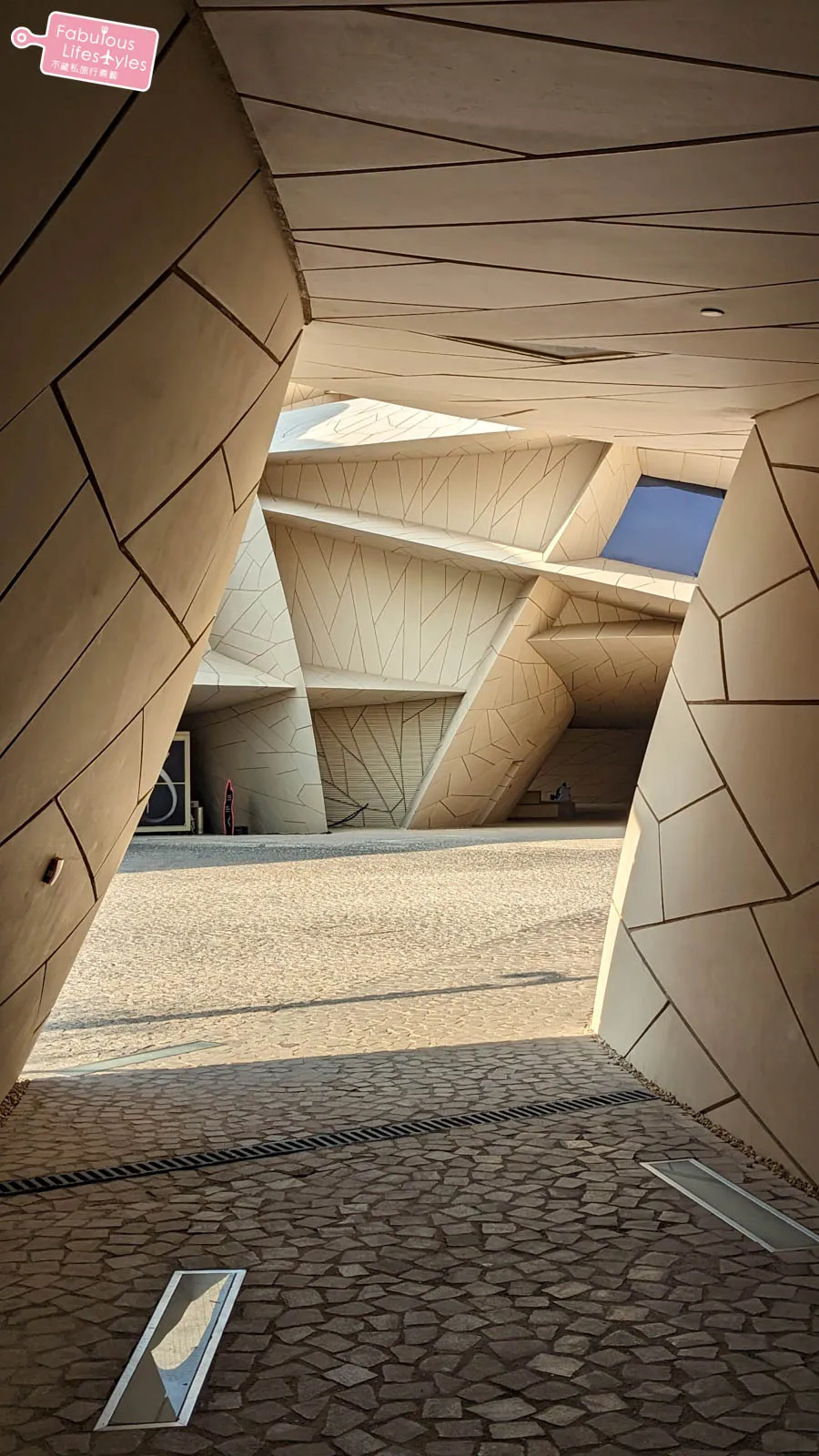
Walking through each corridor, the irregular, angular walls frame views that stop you in your tracks. Just exploring the architecture itself is a genuinely magical experience.
Doha Travel Resources
★ 【SIM Card】Middle East eSIM
★ 【Tickets】Museum of Islamic Art | National Museum of Qatar
★ 【Tours】Inland Sea Day Trip | Doha City Tour | Desert Dune Bashing
★ 【Accommodation】Complete Doha Hotel Guide by District
Tickets & Dress Code
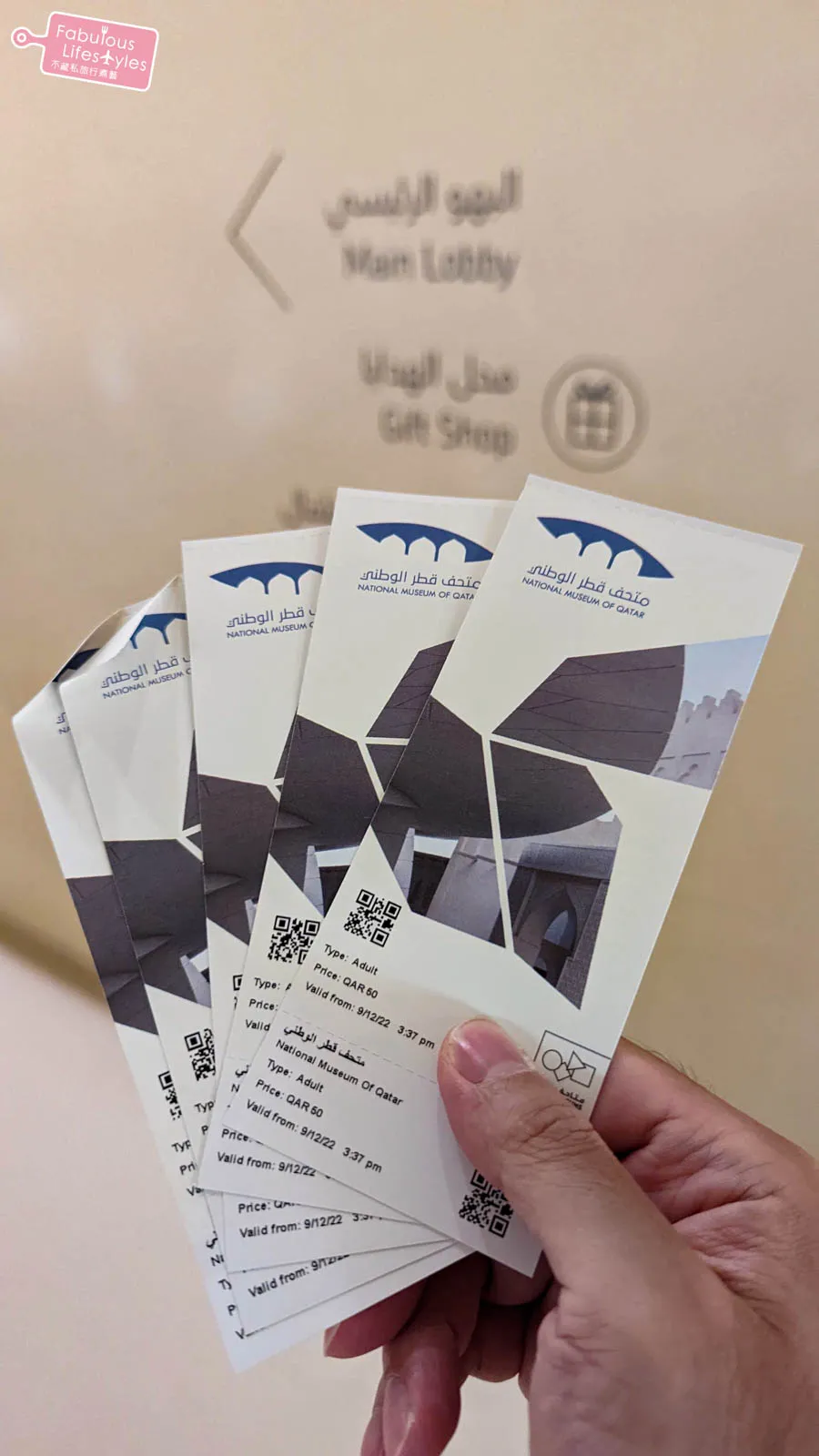
★ Adult ticket: QR 100
★ Children under 16: Free (check the official website for the latest pricing)
★ Official website: https://nmoq.org.qa/en/
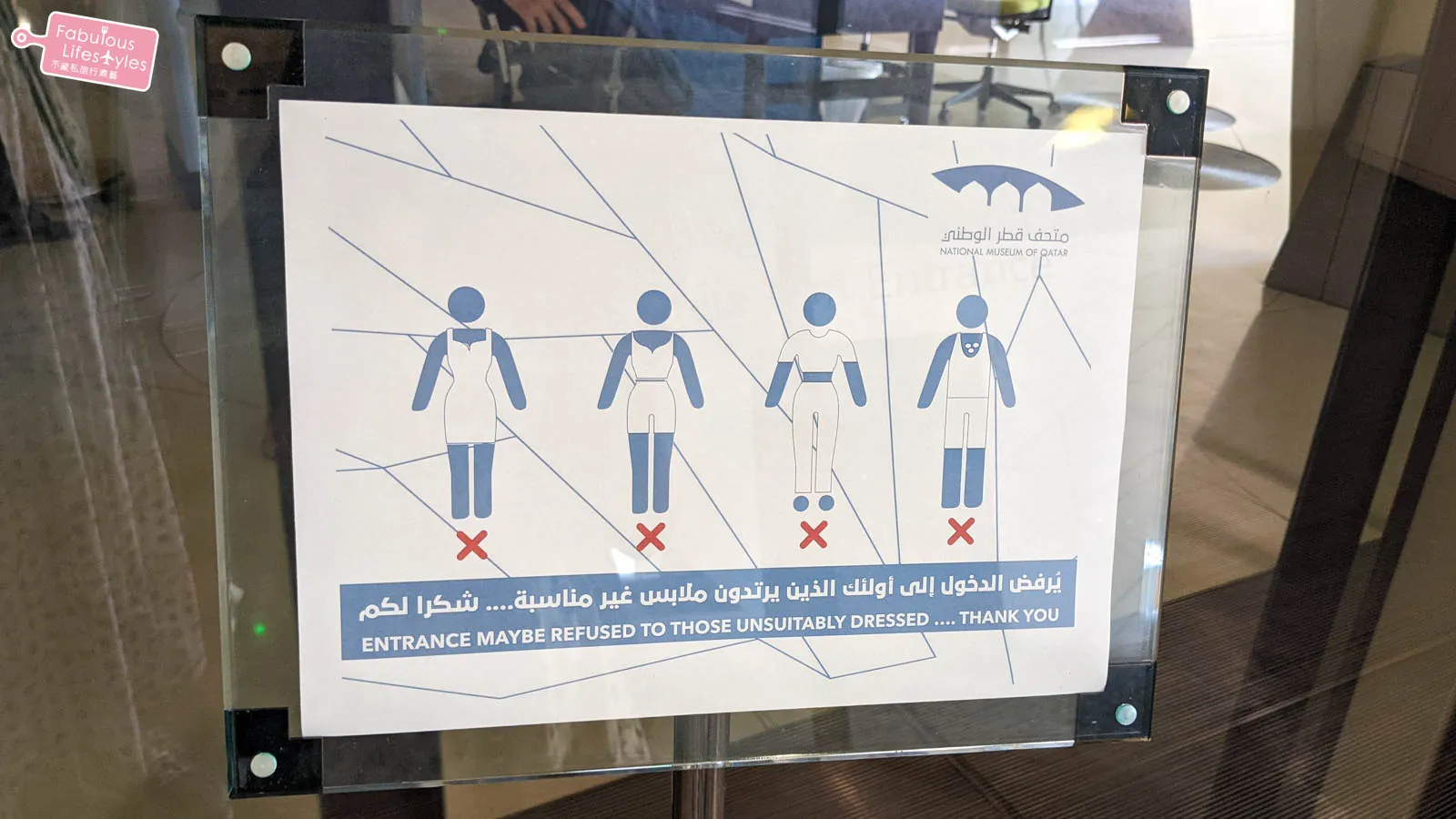
There is a dress code to be aware of when visiting the National Museum of Qatar (as shown in the photo above). Compared to Dubai, Doha receives far fewer tourists and the local culture tends to be more conservative. The hotel staff actually reminded us multiple times to dress appropriately before heading out to sightsee — at some of the more traditional attractions, visitors who aren't dressed modestly may be turned away. It's not just women who need to think about this — men's pants also need to cover the knees.
📌 Recommended reading: 24 Must-See Dubai Attractions ★ Complete Guide with Map, Transport, Hotels & Itinerary
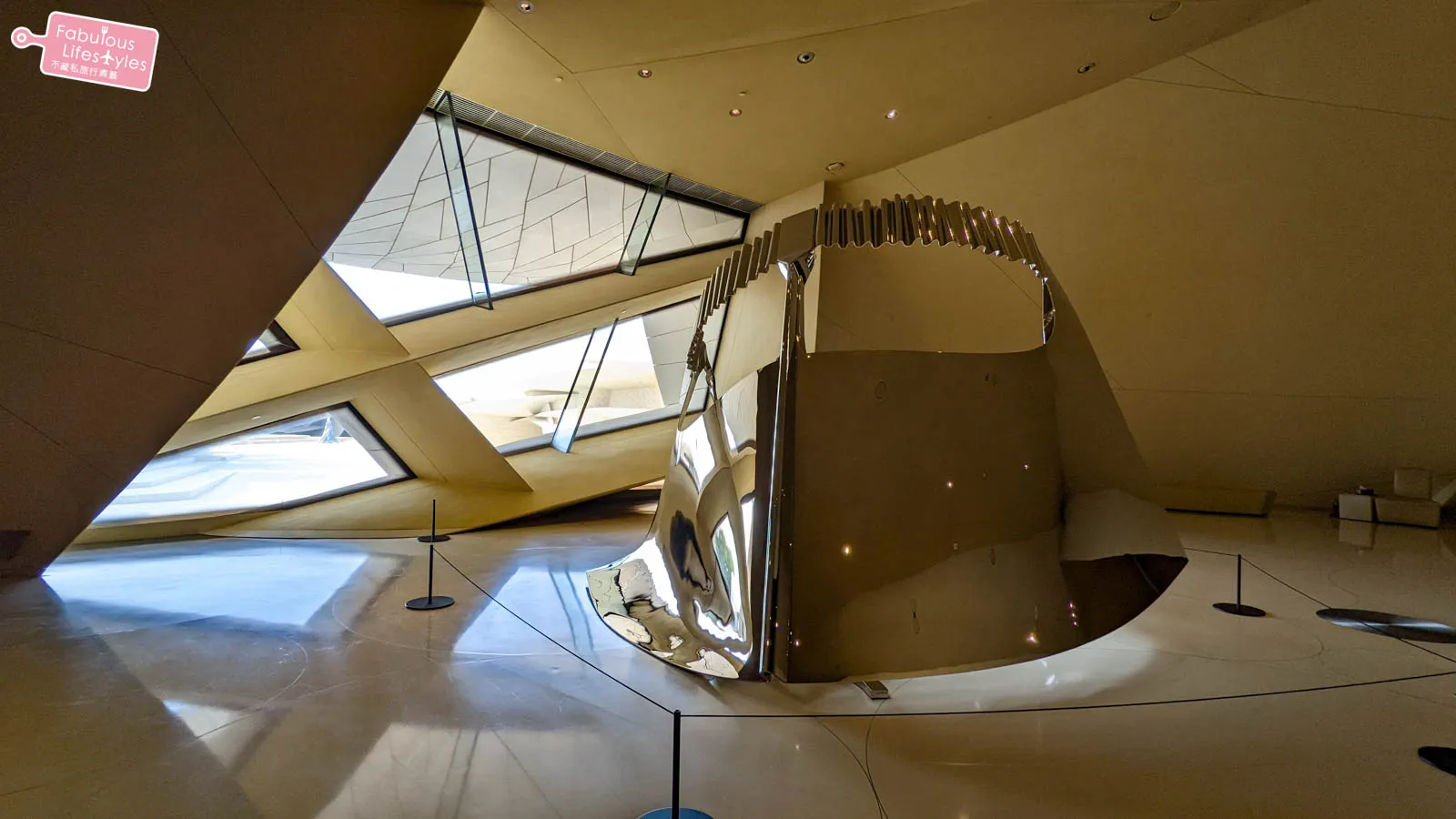
Before entering the main exhibition halls, you'll come face-to-face with a giant metal mask. After a quick bit of research, we discovered this is a batoola (also written as batula) — a traditional mask historically worn by Muslim women across the Gulf region. Traditional batoolas have a metallic, monochrome finish, and their distinctive pointed shape is said to mimic the sharp beak of a falcon. The batoola clearly carries deep cultural significance in Qatar — we later spotted a batoola mask sculpture at the Katara Cultural Village as well, which shows just how iconic this object is.
The Exhibitions
The National Museum of Qatar is organized into three main chapters, each telling a different part of Qatar's remarkable story:
★ Nature & Ecology
★ History & Culture
★ Present & Future
★ Nature & Ecology
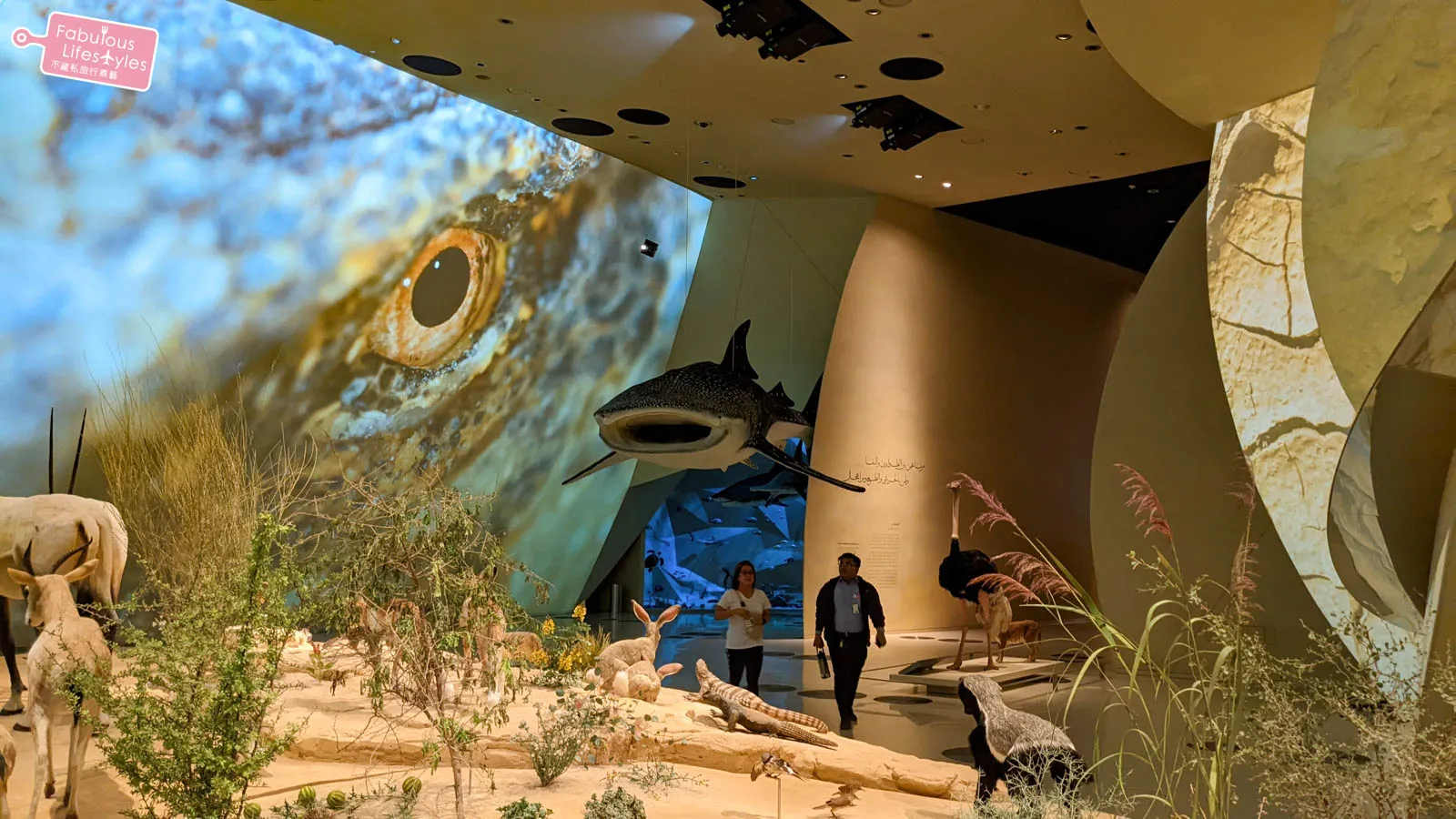
Qatar occupies a peninsula on the Arabian Peninsula, surrounded by the Persian Gulf on three sides with only its southern border connecting to Saudi Arabia. This unique geography means the country is home not only to desert ecosystems, but also to extraordinarily rich marine life in the surrounding waters.
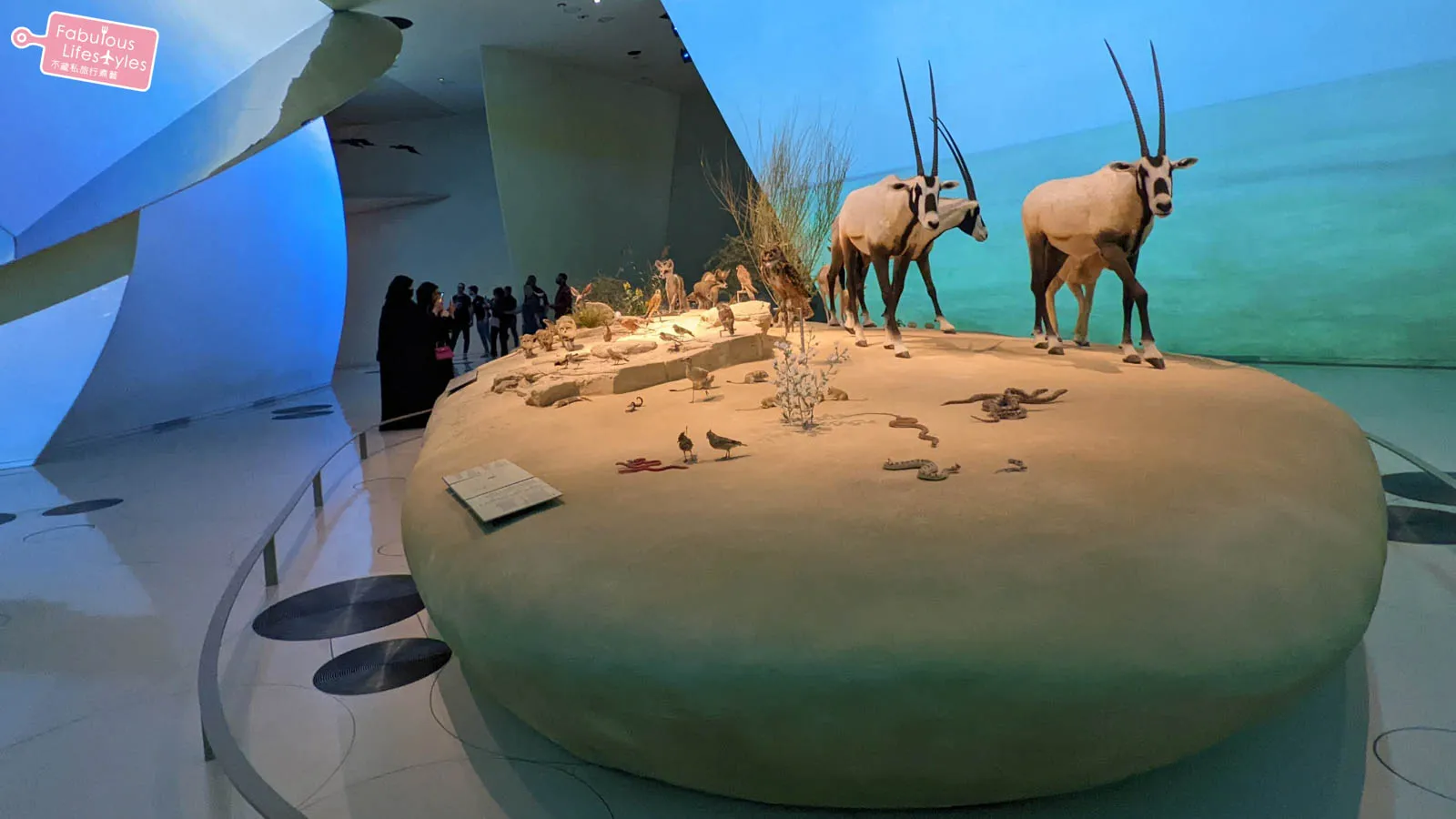
This section of the museum showcases the remarkable variety of animals that thrive in Qatar's desert landscape.
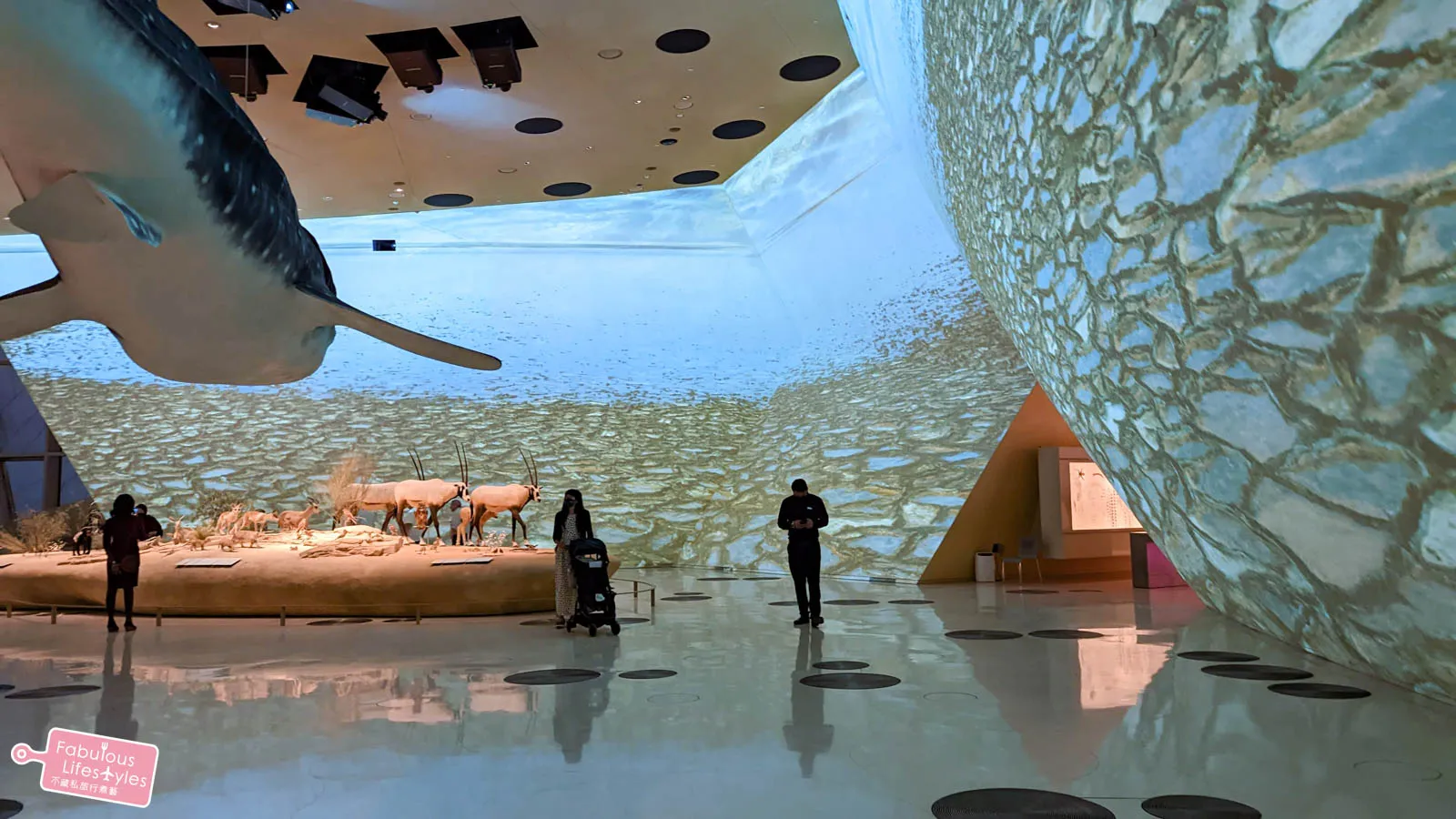
Inside the museum, the walls curve in sweeping, petal-like arcs that echo the exterior design — a beautifully consistent touch. Videos projected across these soaring curved surfaces create a truly spectacular effect.
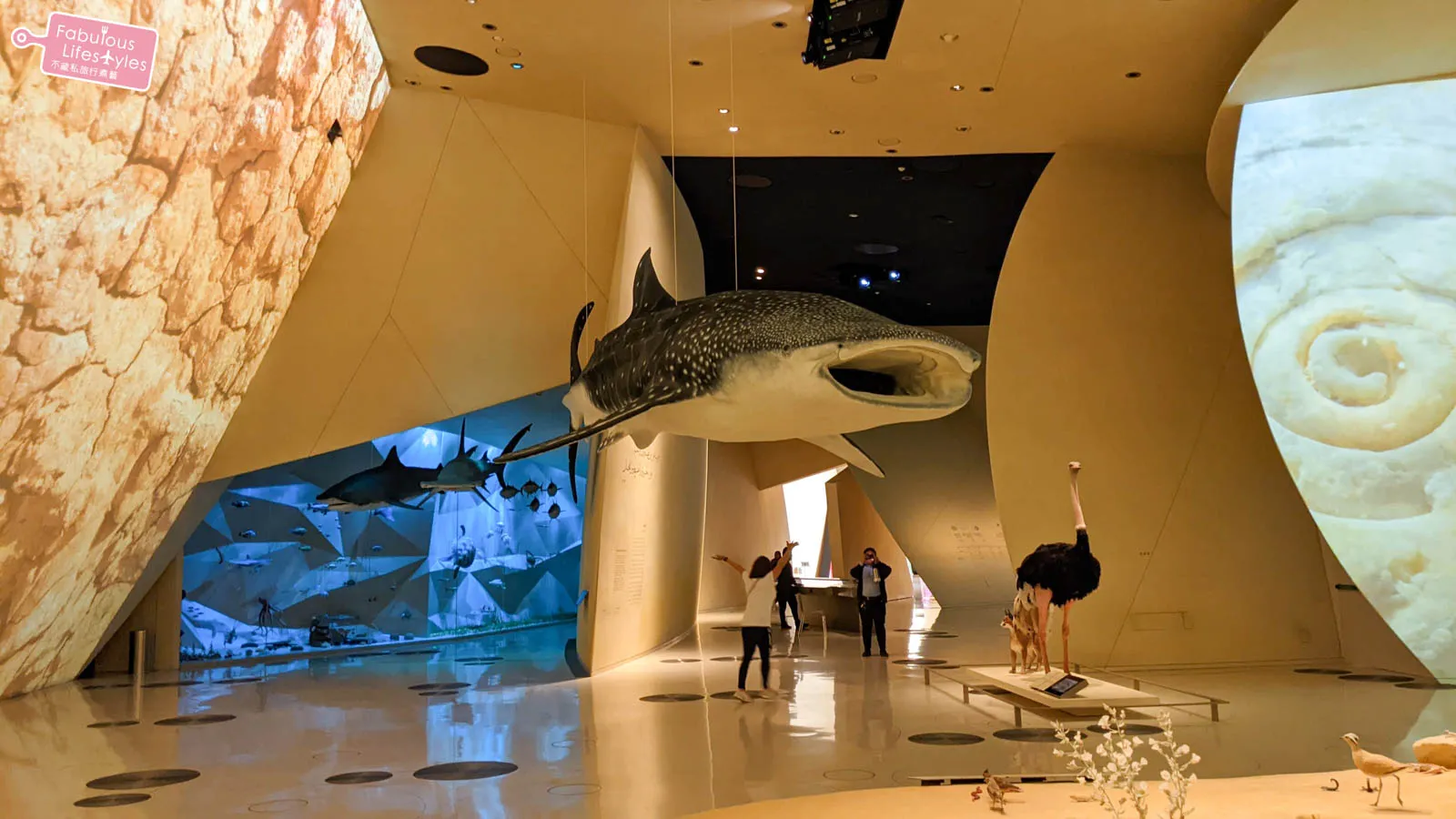
We'd often seen whale sharks pop up in Qatar tourism videos and photos, and it turns out there's a very good reason for that — the waters around Qatar are one of the largest whale shark aggregation sites in the entire world. Mind-blowing!
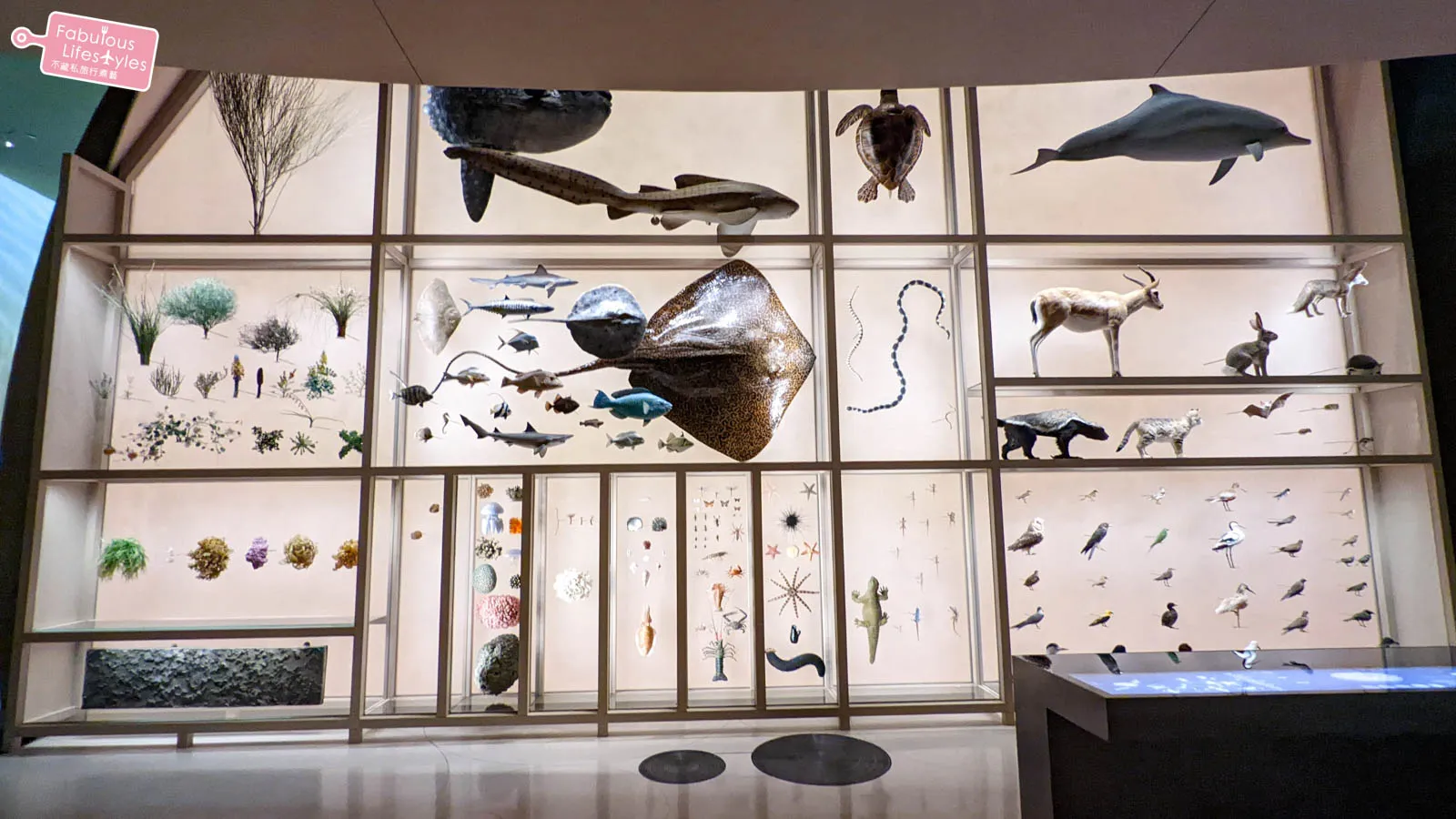
Beyond whale sharks, Qatar's surrounding seas are teeming with an impressive variety of other marine life as well.
★ History & Culture
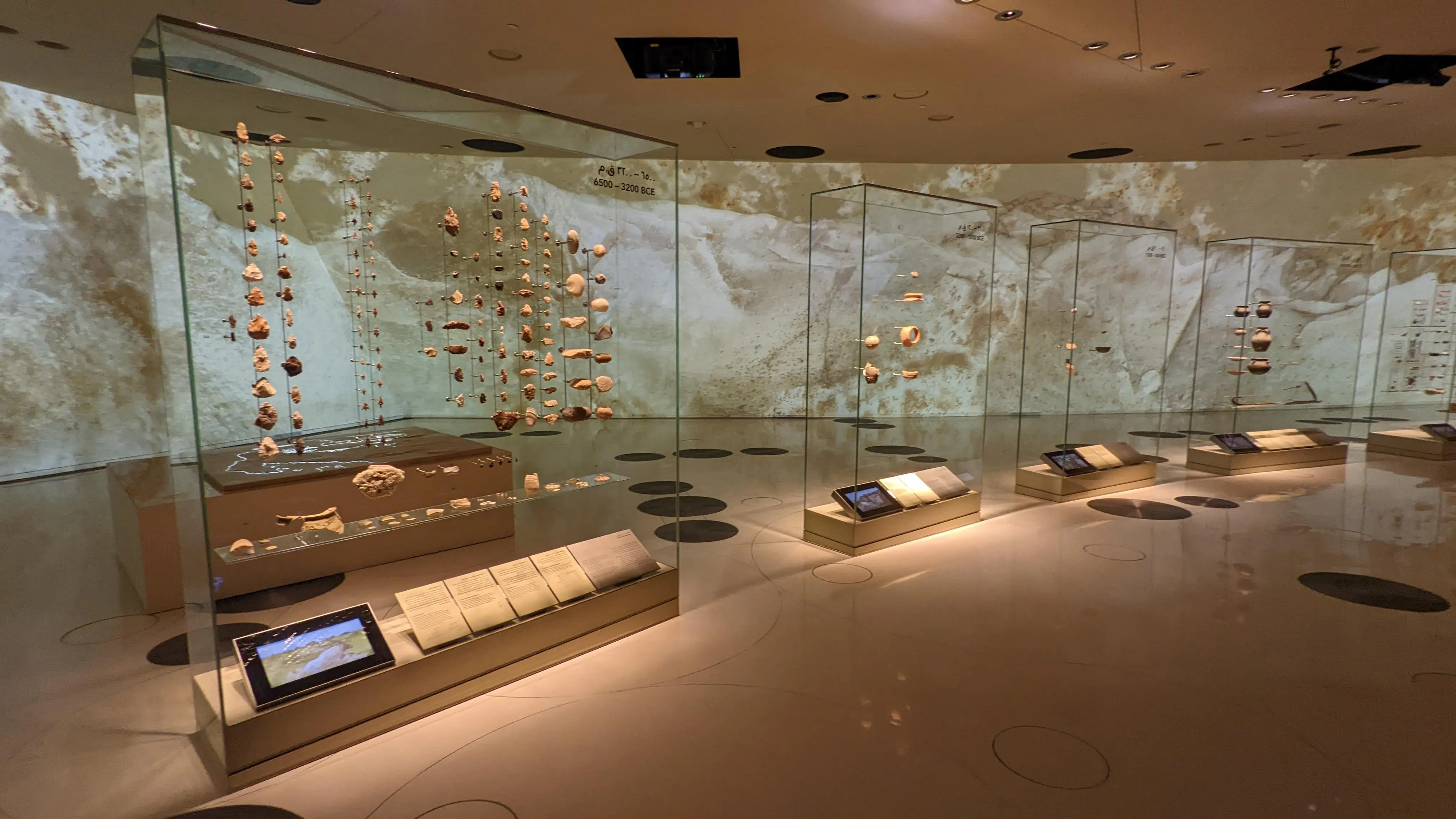
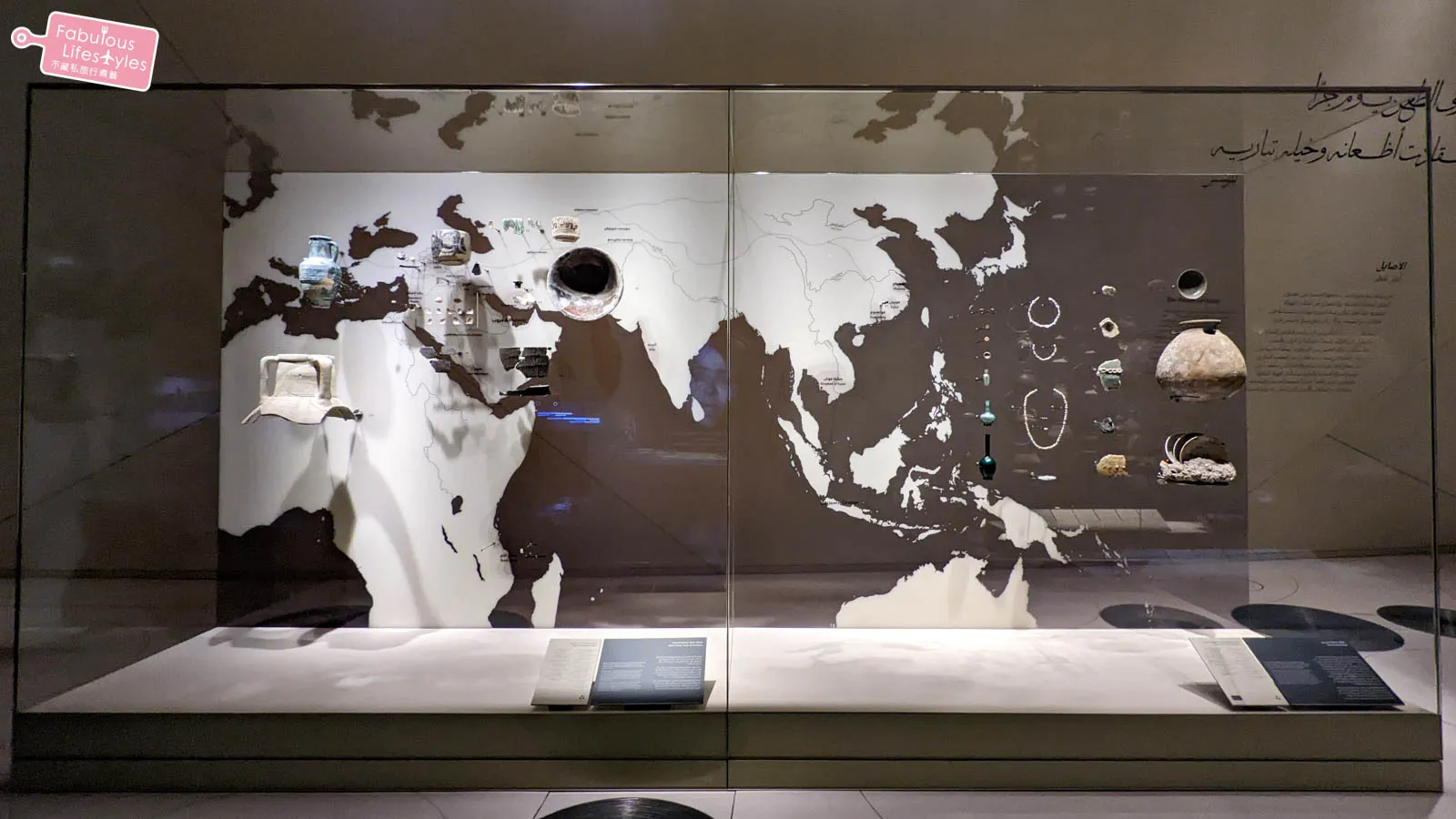
This section delves into Qatar's human history, exploring two very different ways of life — those who lived by the sea and those who made their home in the desert. The exhibits cover the tools, vessels, and clothing used by each group, tracing the story all the way from the earliest known traces of human presence — fossil records — through to later archaeological discoveries.
What immediately caught our eye was how sleek and contemporary the display design feels. Artifacts are pinned inside glass cases in a way that makes them appear to float in mid-air, letting you appreciate every piece from a full 360 degrees with no obstructions.
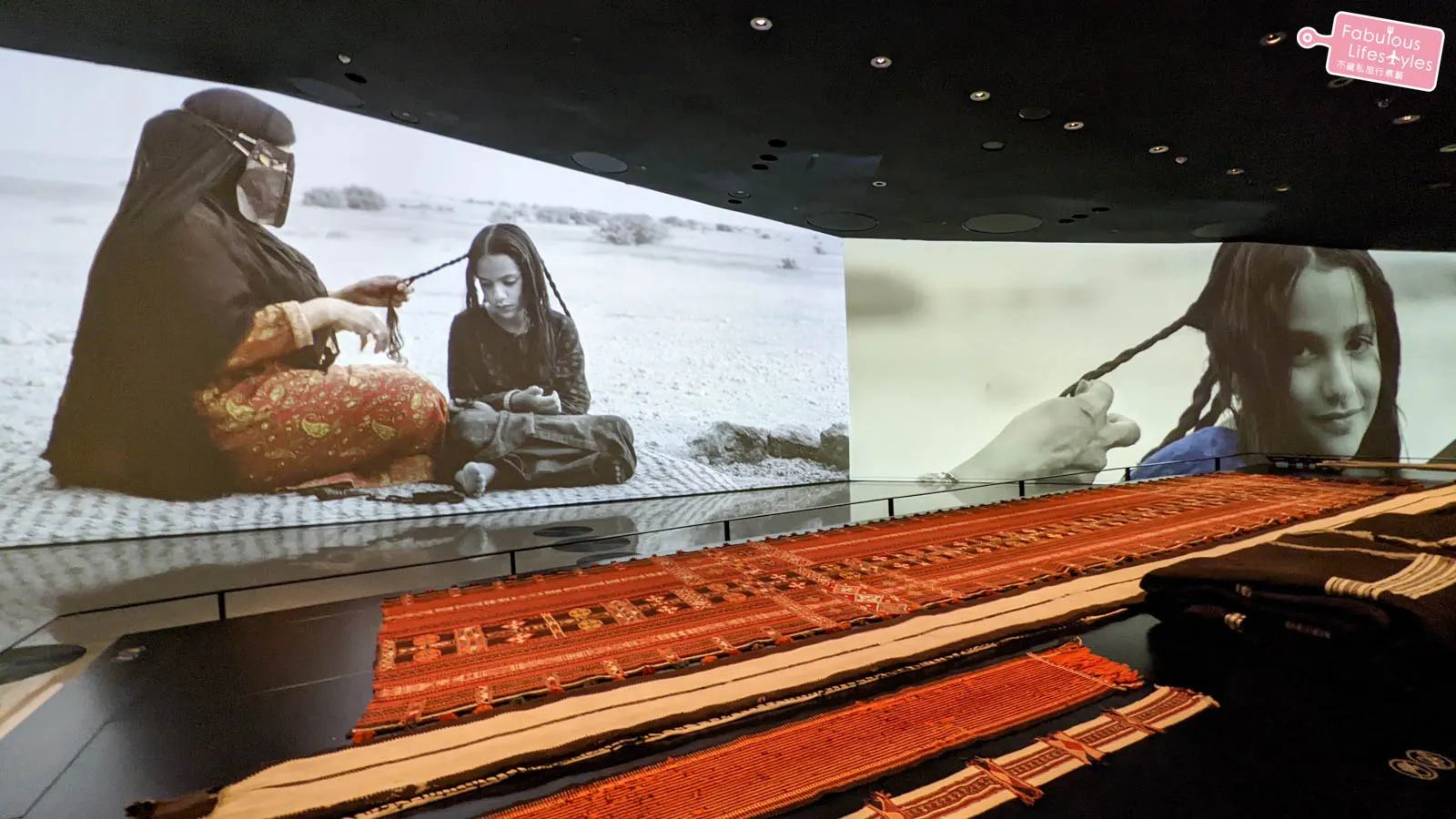
Next up: life in the desert.
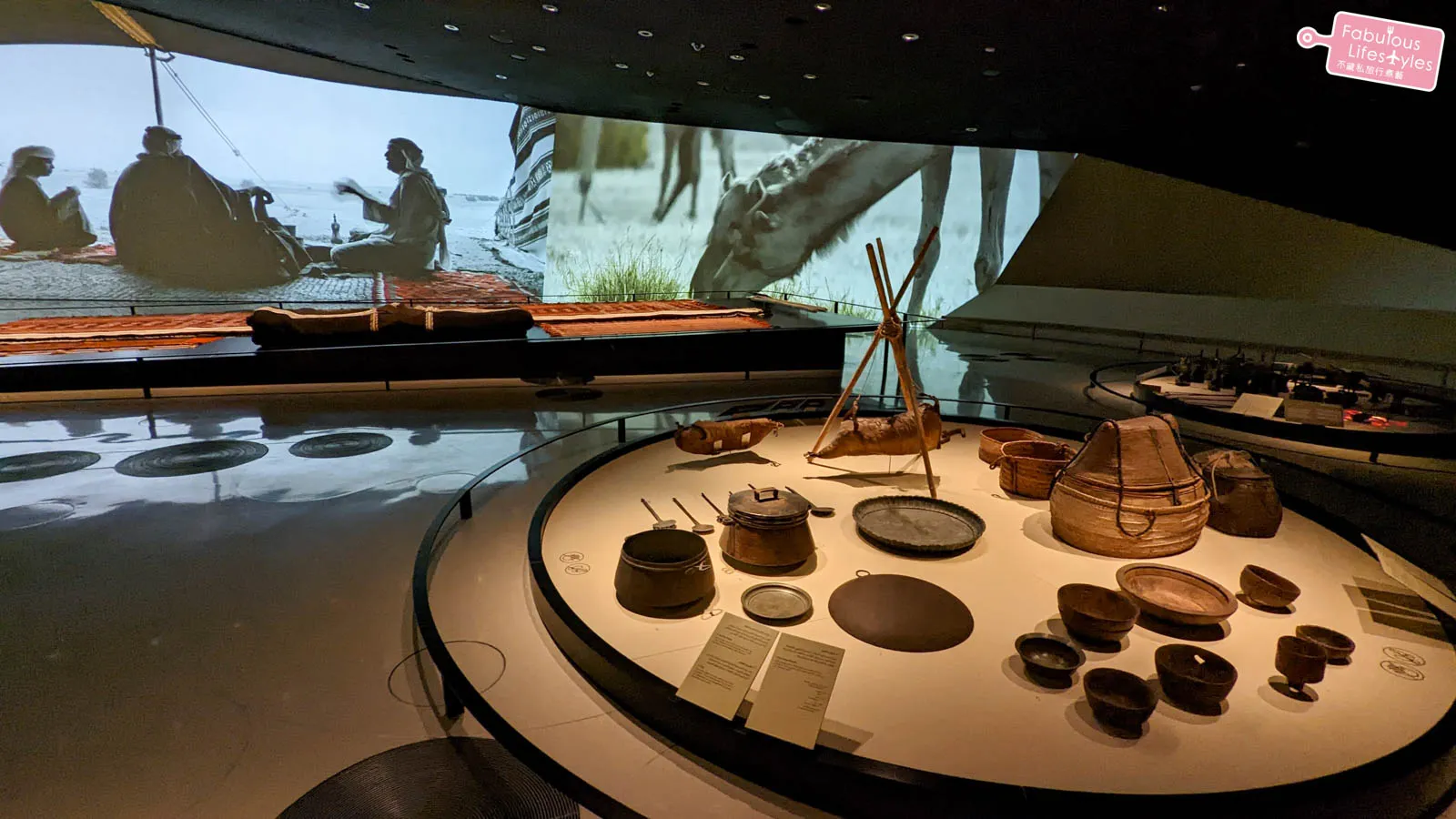
Traditional vessels used in everyday life.
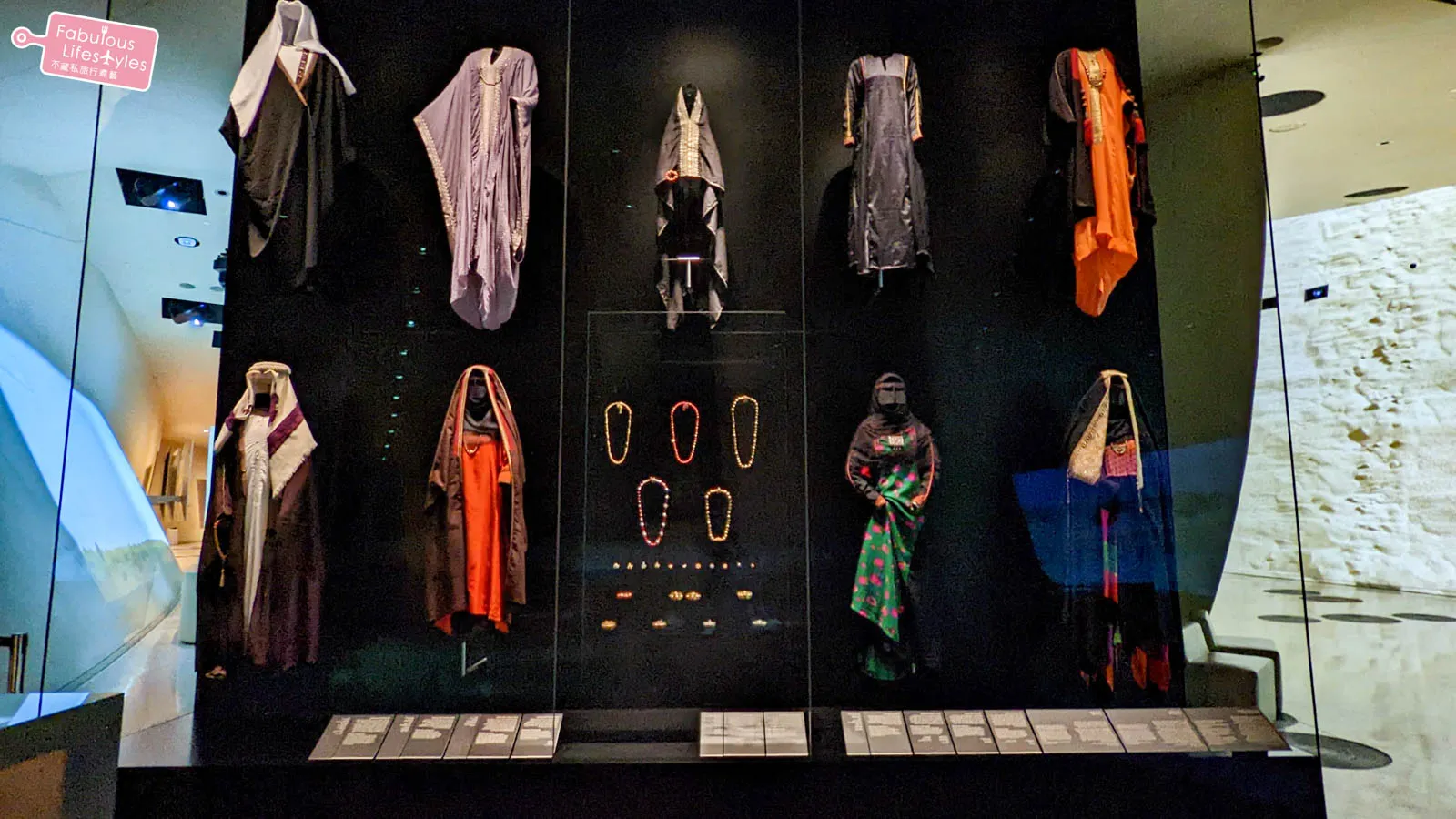
And the clothing people wore.
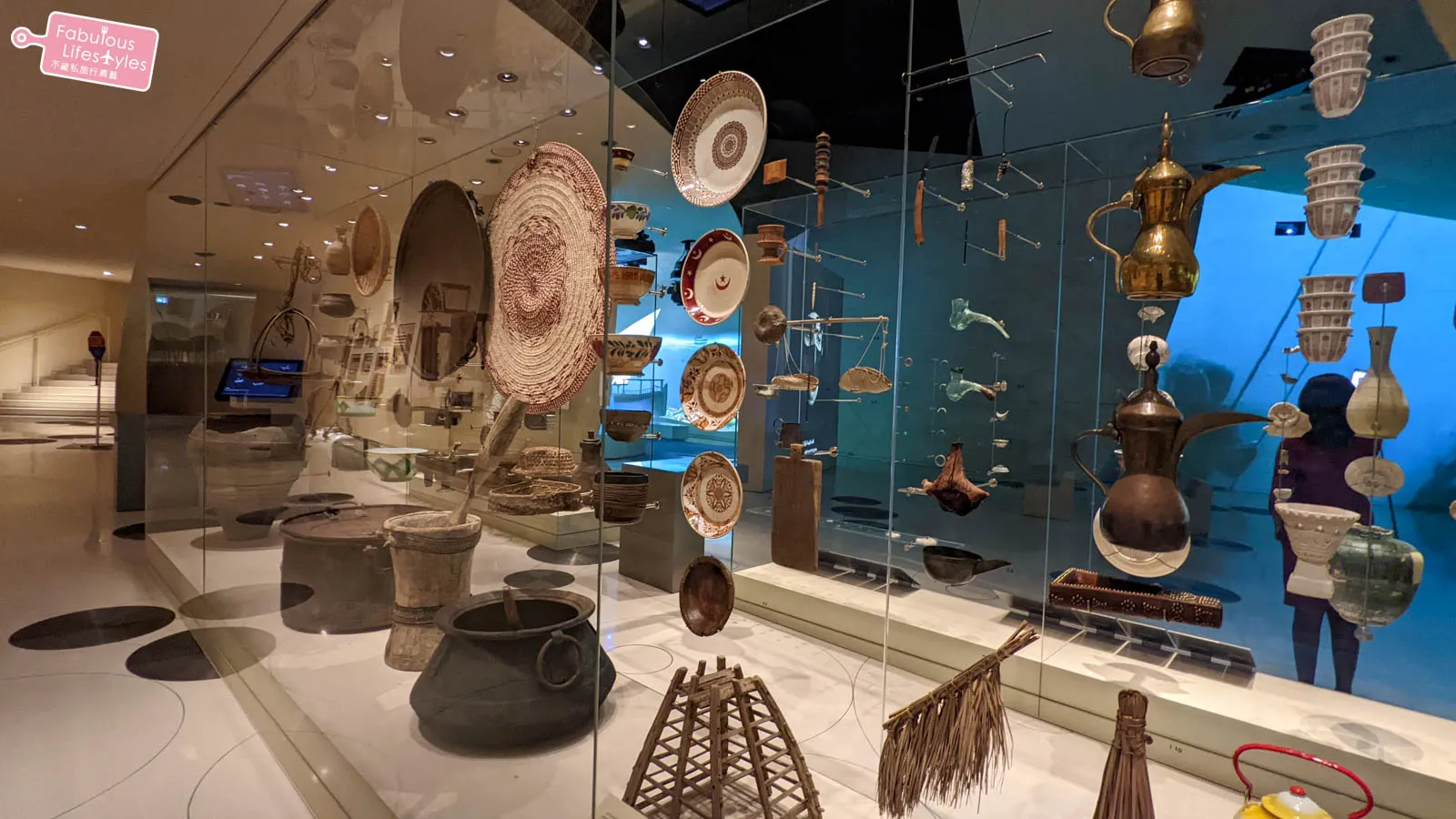
This section also covers the lifestyle and tools of Qatar's seafaring communities — the people who built their lives along the coast.
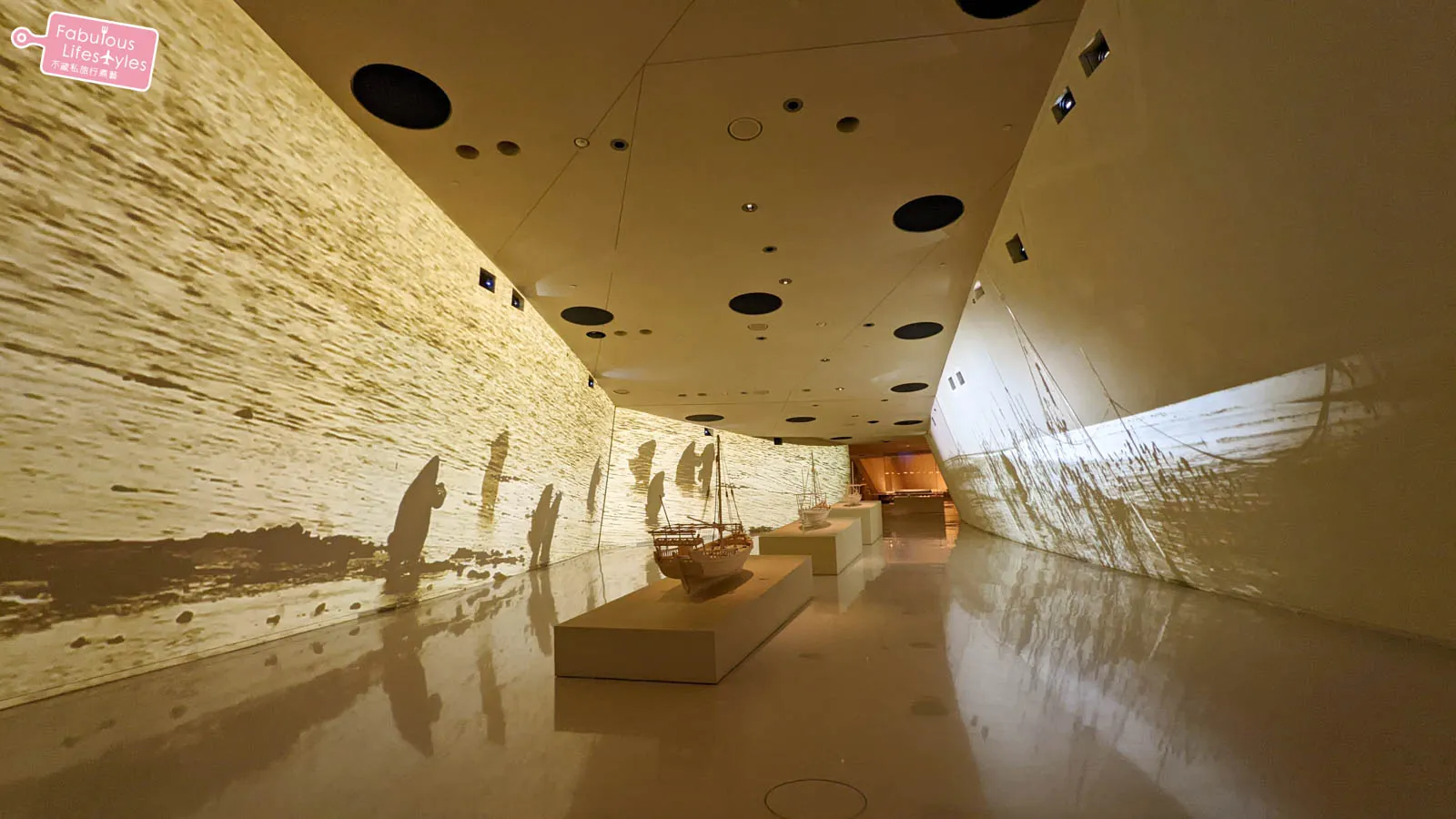
A gallery dedicated to traditional boats and seafaring vessels.
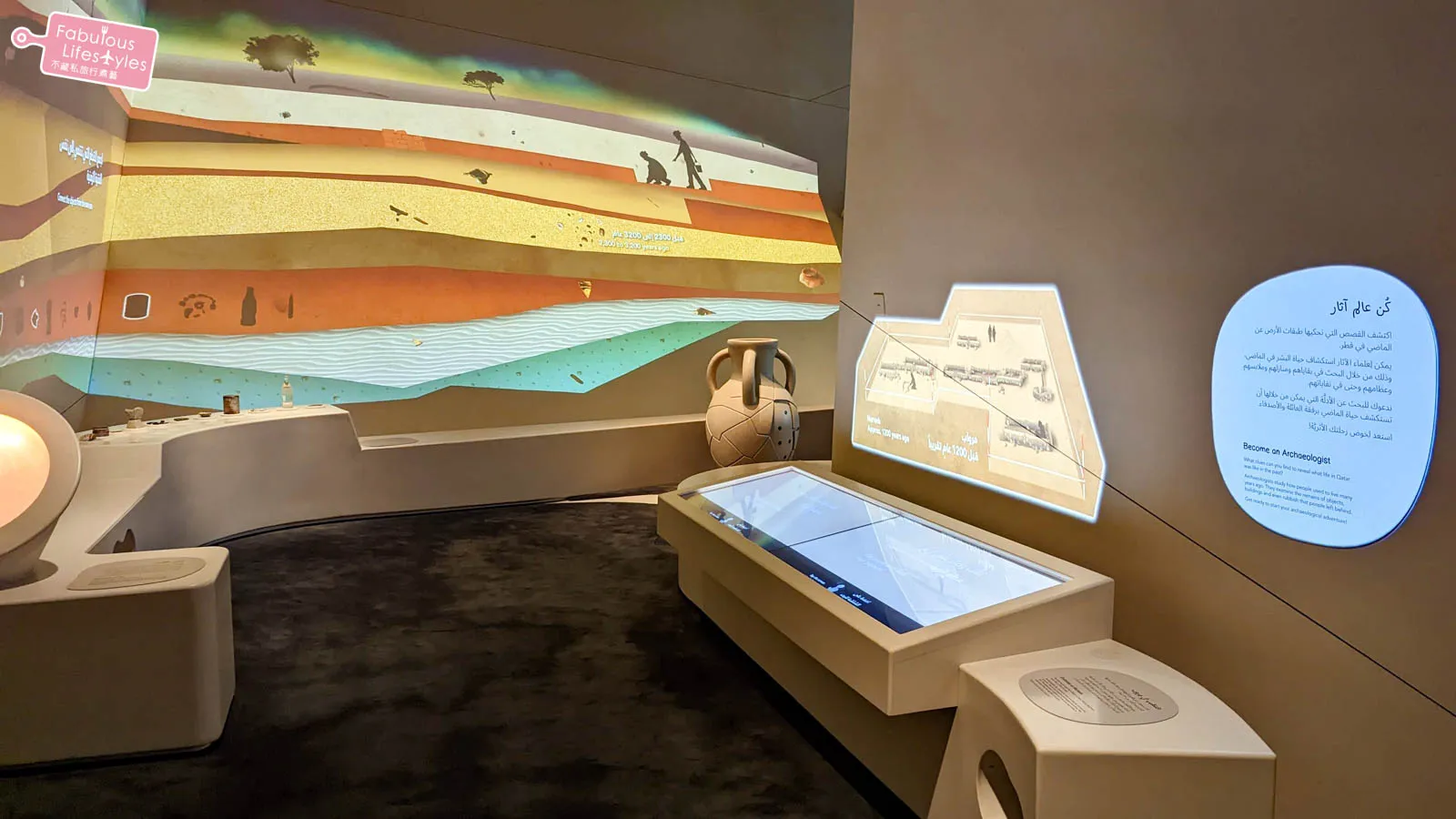
One thing we absolutely loved: throughout many of the galleries, there are dedicated kids' zones with hands-on interactive games that make learning genuinely fun. In the area featuring fossils and ancient artifacts, for example, there's an interactive station that teaches children how to think like an archaeologist!
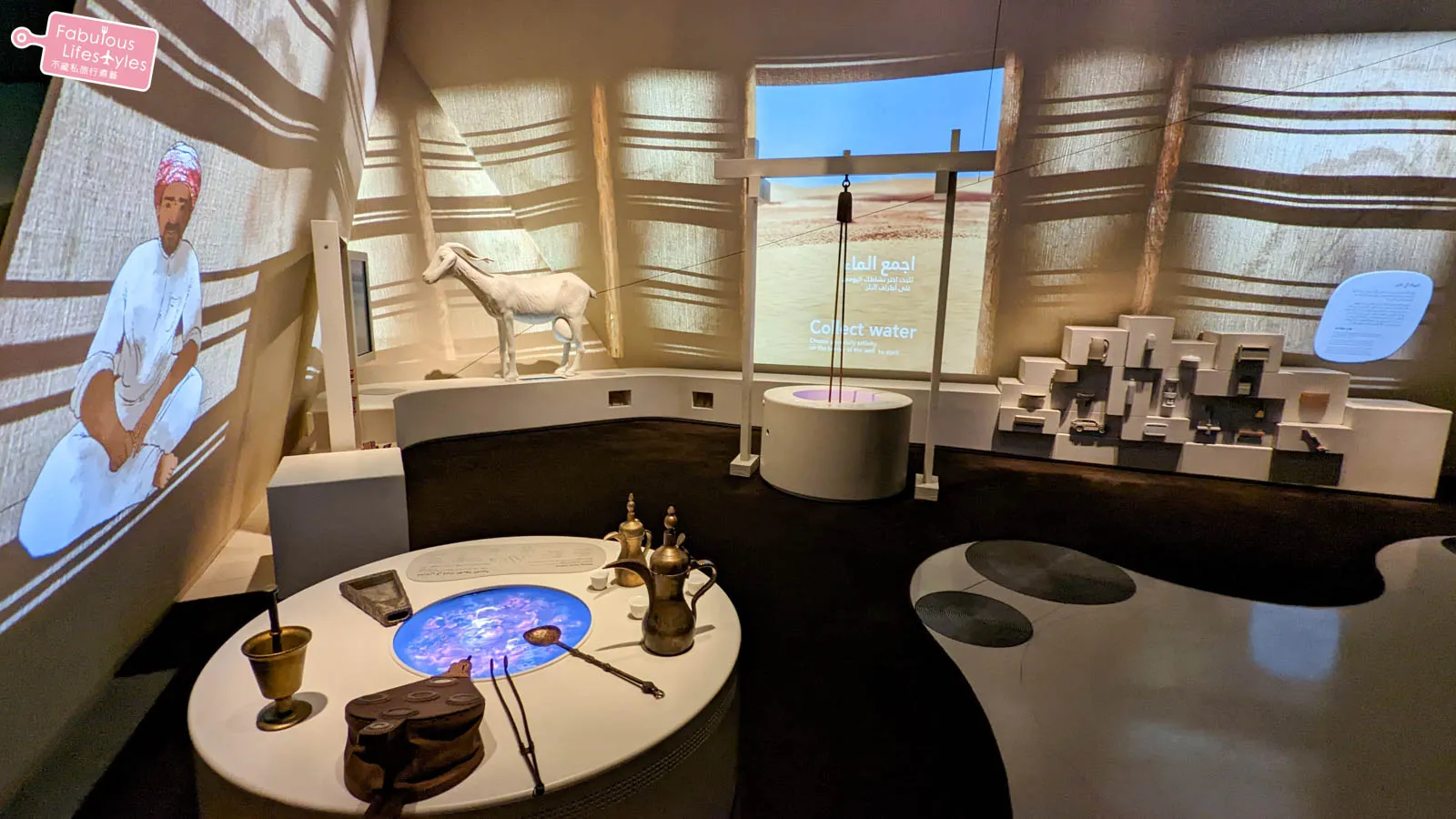
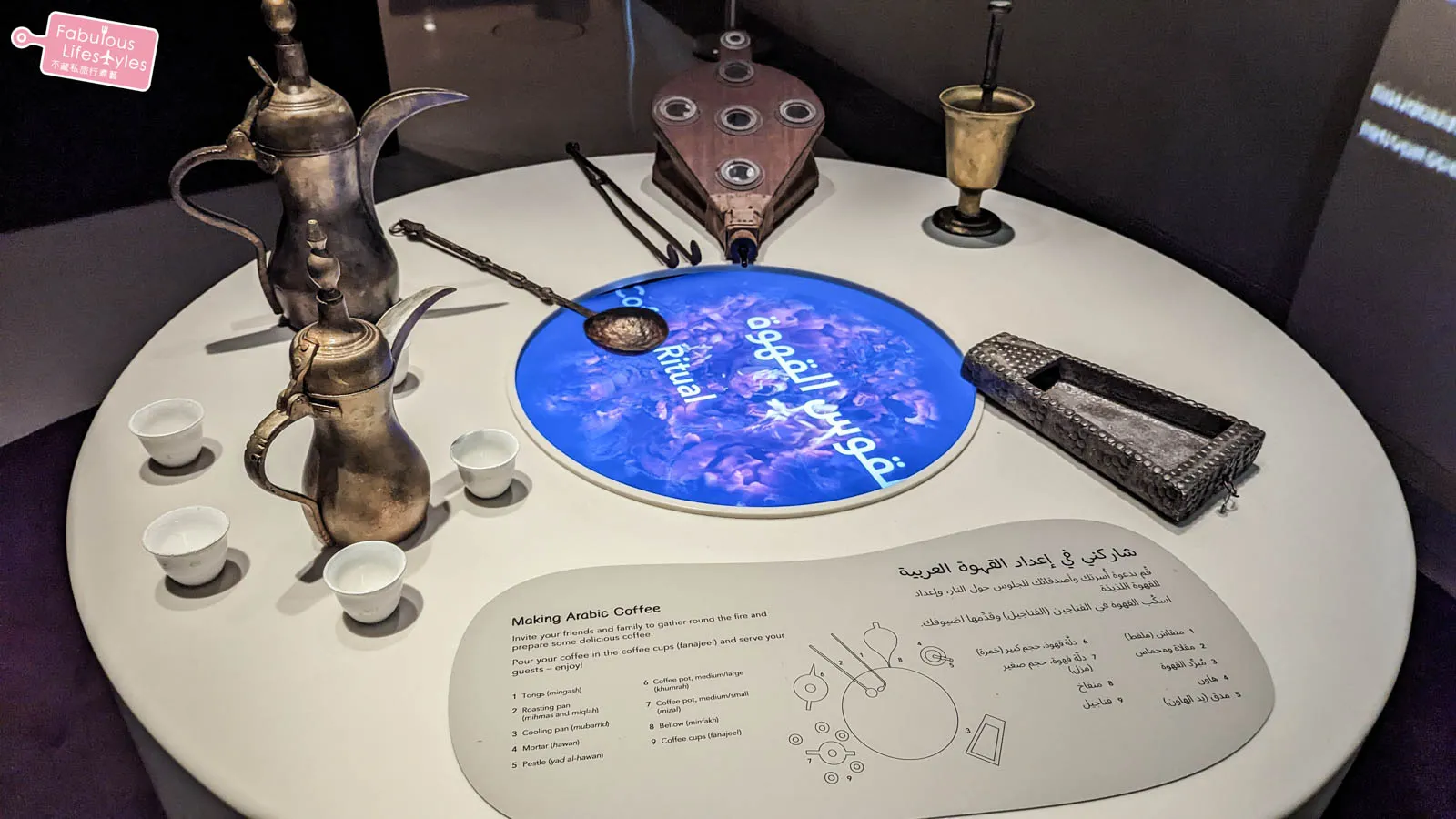
And in the section on desert life, there's a station where kids can learn how to brew a cup of traditional Arabic coffee. Genuinely fun for the whole family!
★ Present & Future
The final chapter of the museum brings the story right up to the present day and looks ahead to the future. It covers Qatar's transformation from the 1500s through to today, and shares the country's vision for what lies ahead.
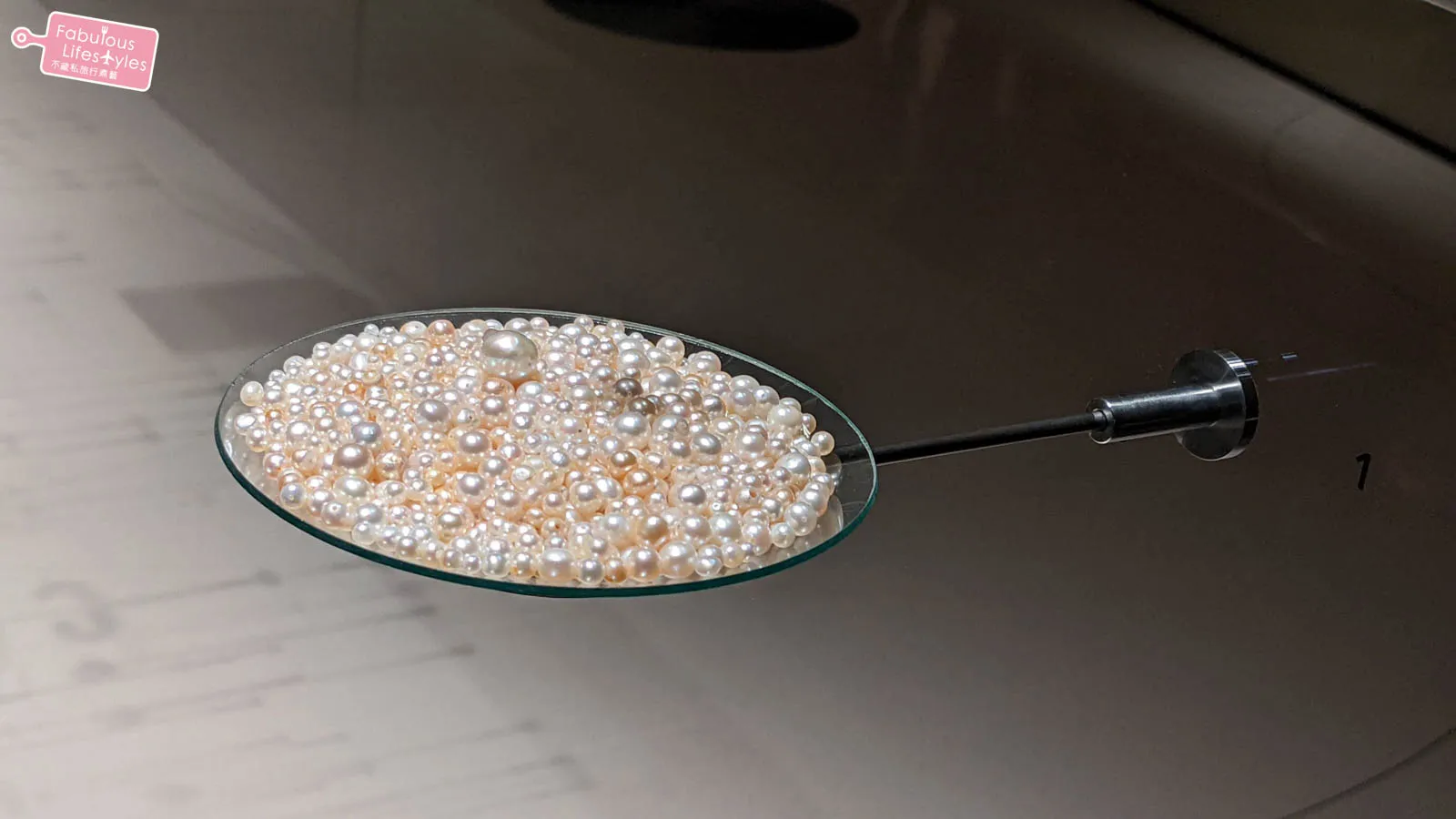
Qatar's coastal waters were once celebrated around the world for producing some of the finest pearls in existence. The Qatari pearl diving industry was legendary — its pearls were prized by royalty and nobility across the globe.
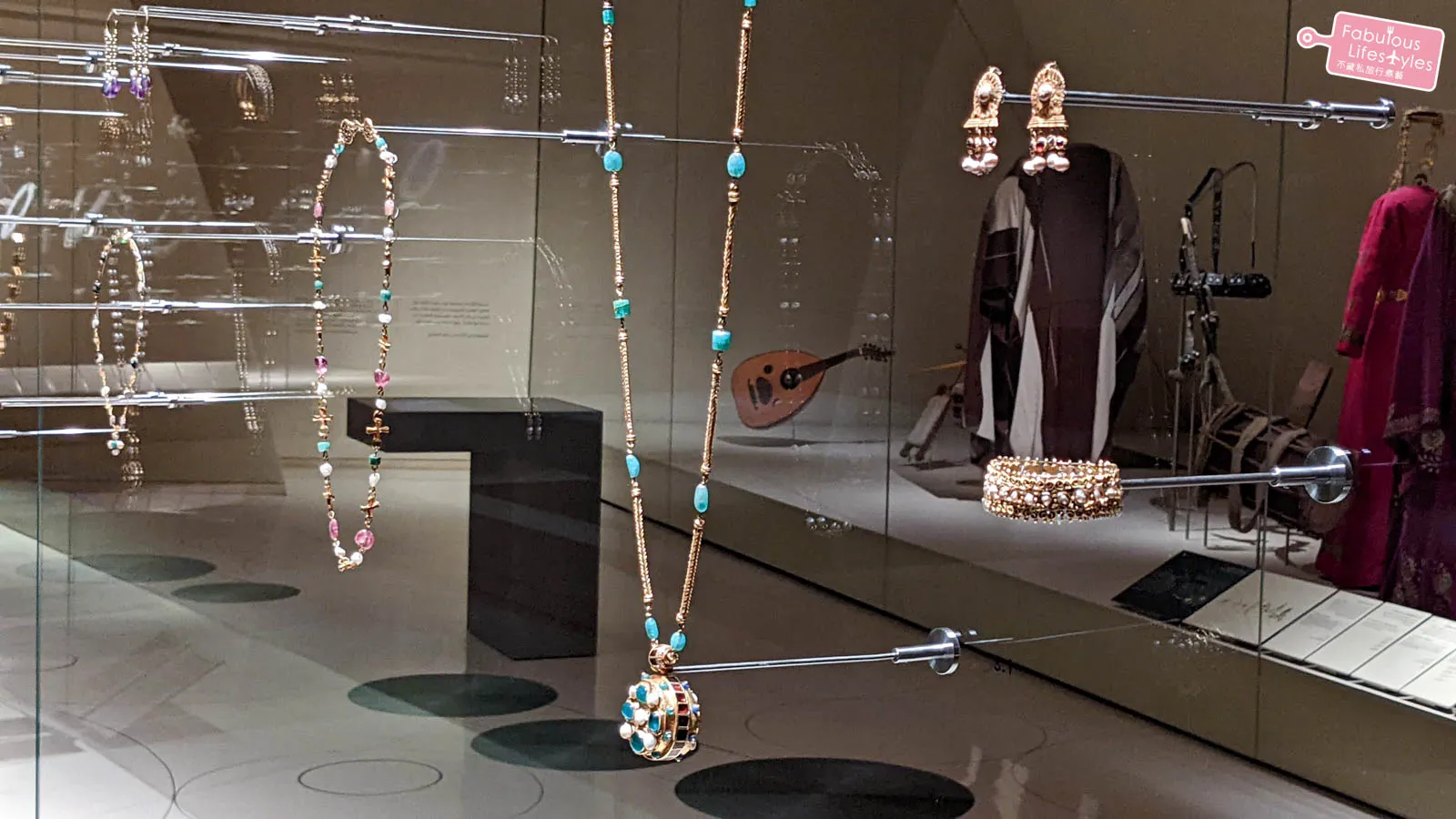
The exhibits showcase some truly stunning, lavishly crafted pearl jewelry.
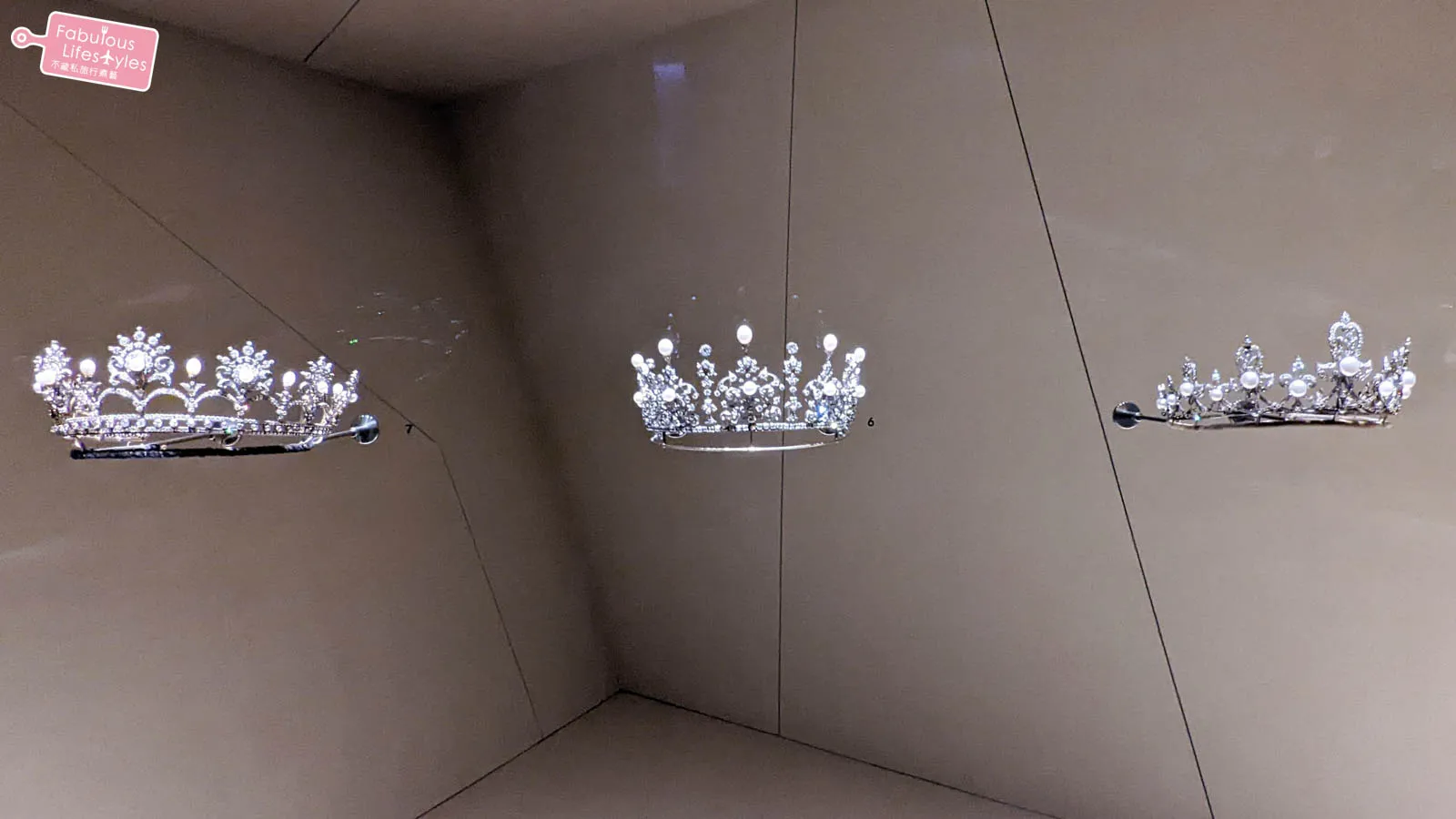
Including some exquisite crowns.
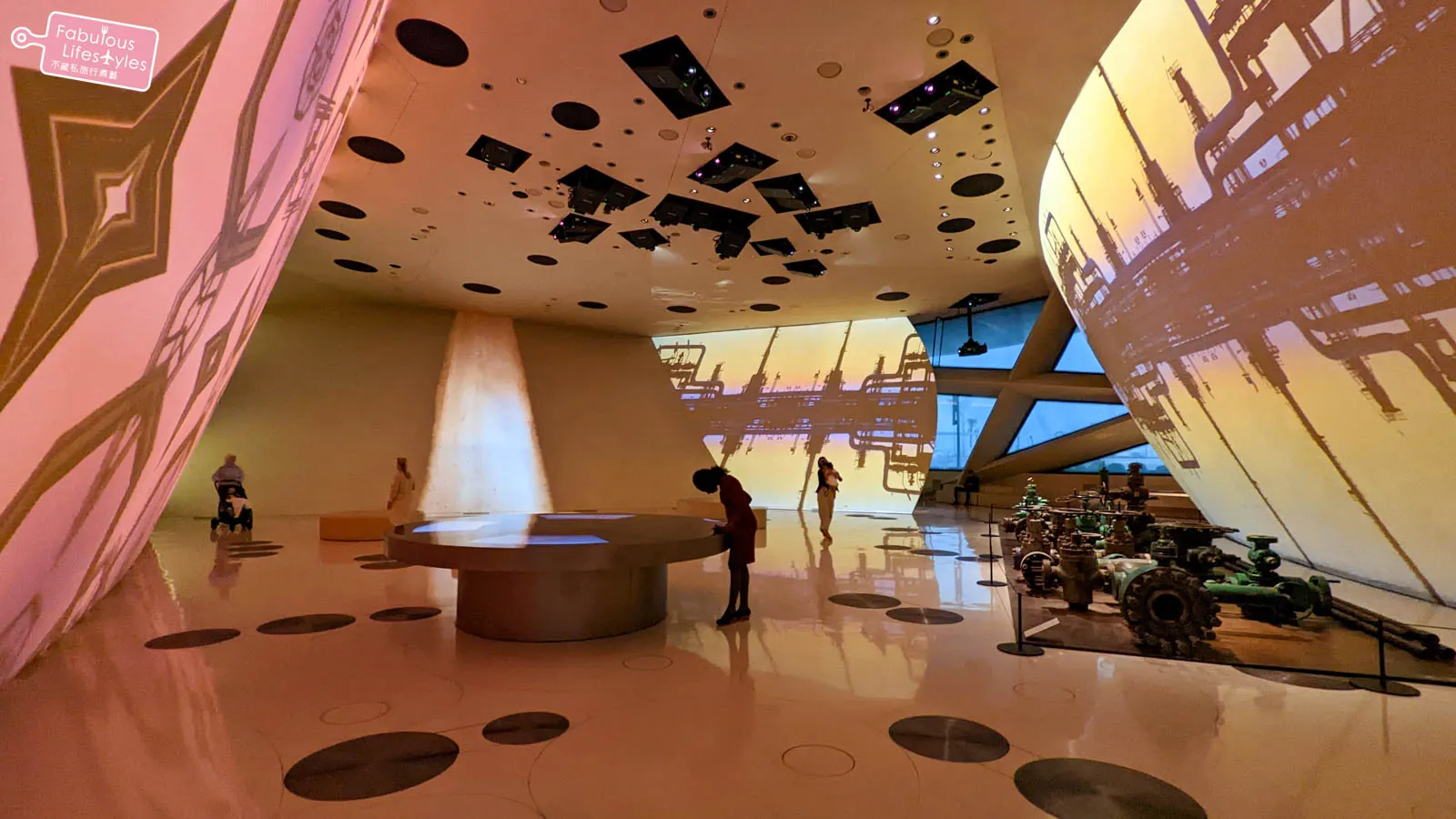
In the early 20th century, the discovery of oil and natural gas transformed Qatar almost overnight, replacing pearl diving as the nation's primary economic engine. On a side note — take a look at that ceiling! The sheer number of square and circular panels up there gives you some sense of just how many projectors and speakers were installed in this space alone.
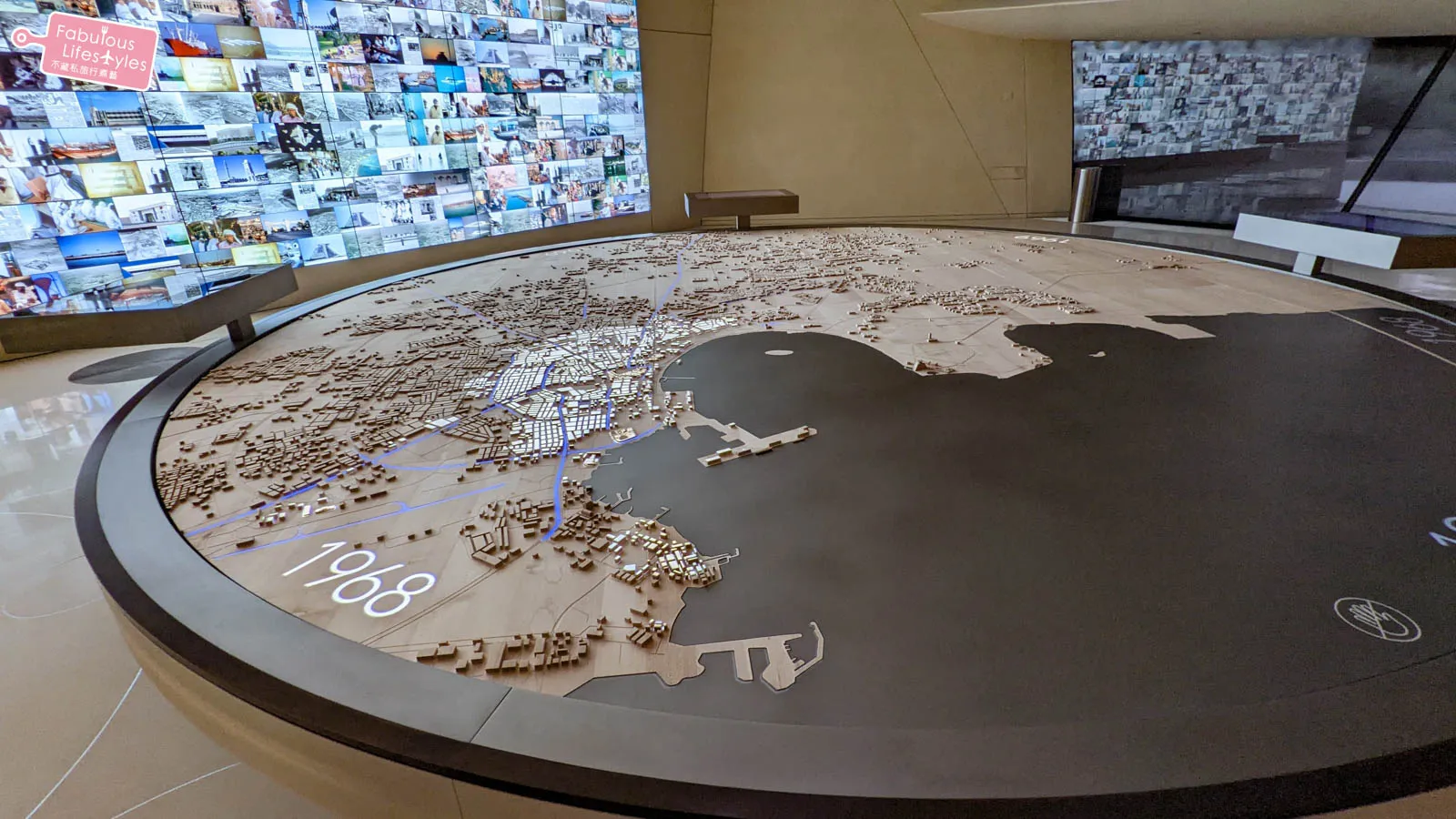
A massive circular floor map paired with cutting-edge projection technology delivers a vivid and impactful overview of Qatar's explosive development through the 20th century — it's genuinely impressive.
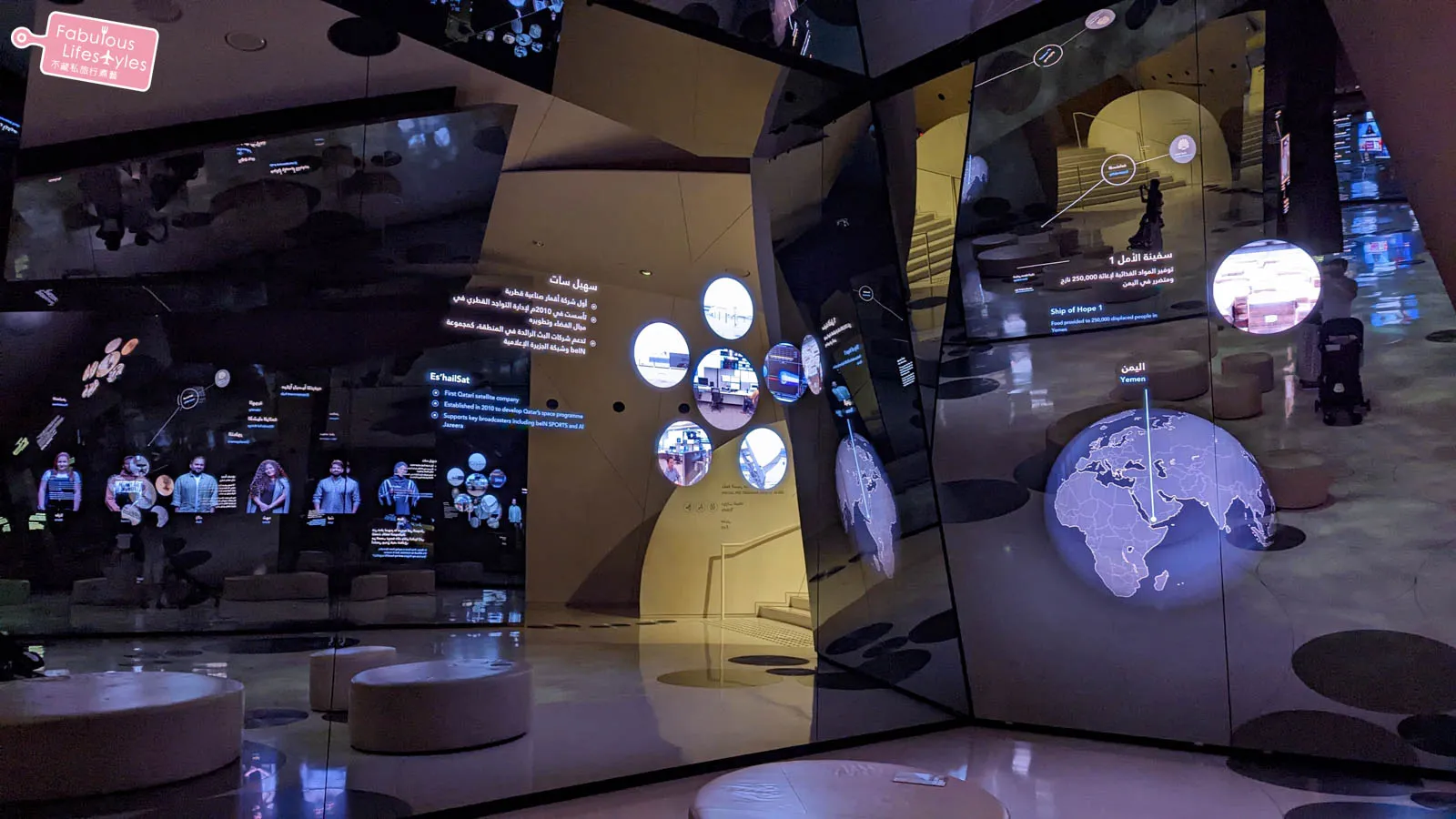
The section on Qatar's future makes sweeping use of mirrored surfaces in place of traditional walls, creating an atmosphere that feels unmistakably futuristic and high-tech.
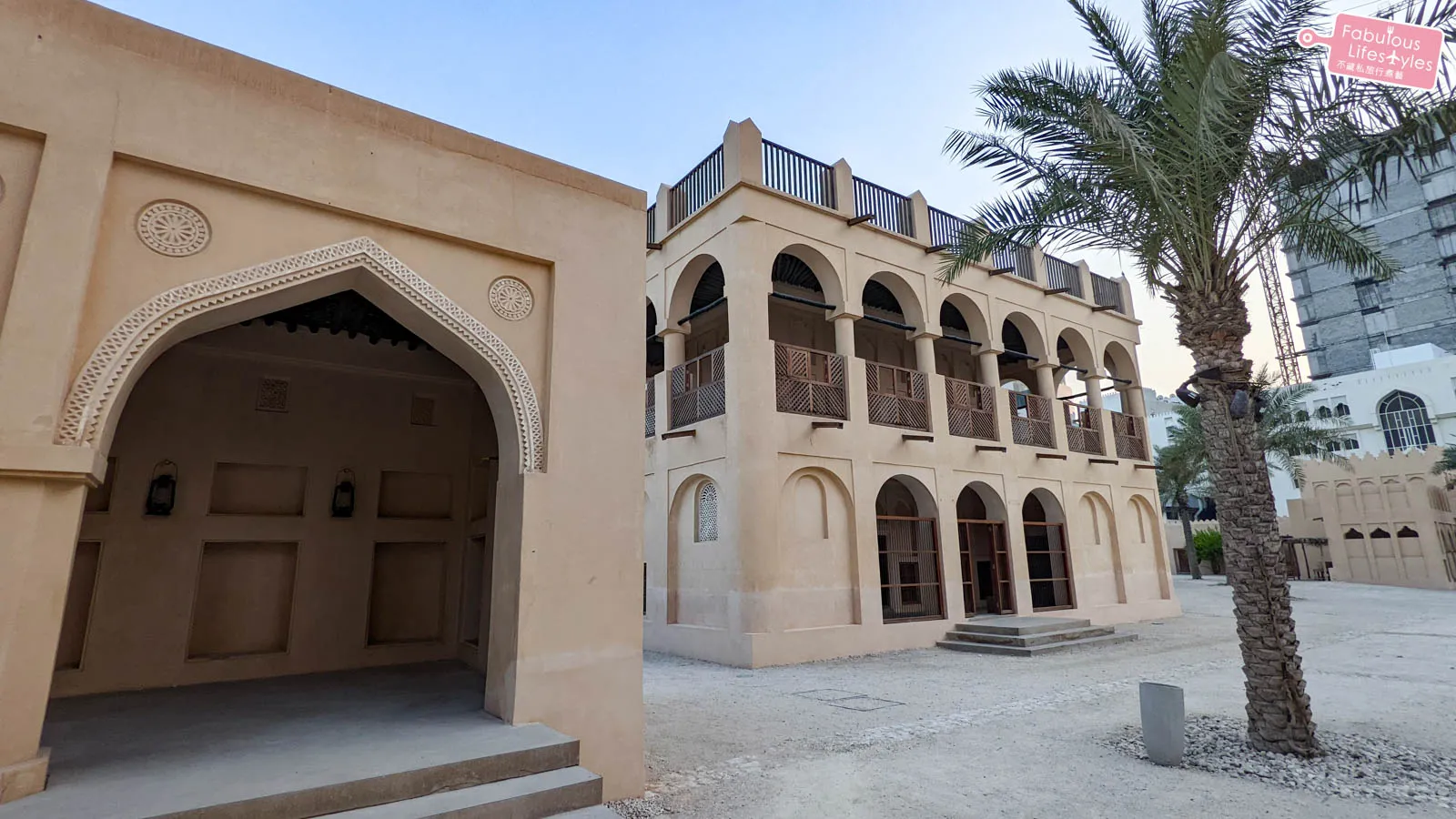
Finally — just outside the museum complex sits the Sheikh Abdullah bin Jassim Palace, a site of deep significance to the Qatari people. Built in the early 1900s as a residence for Qatar's ruler, it opened its doors to the public in 1975 and became Qatar's very first National Museum. Today, this original palace still stands right alongside the modern building. Don't skip it after your visit — it's a wonderful window into Qatar's traditional architecture!
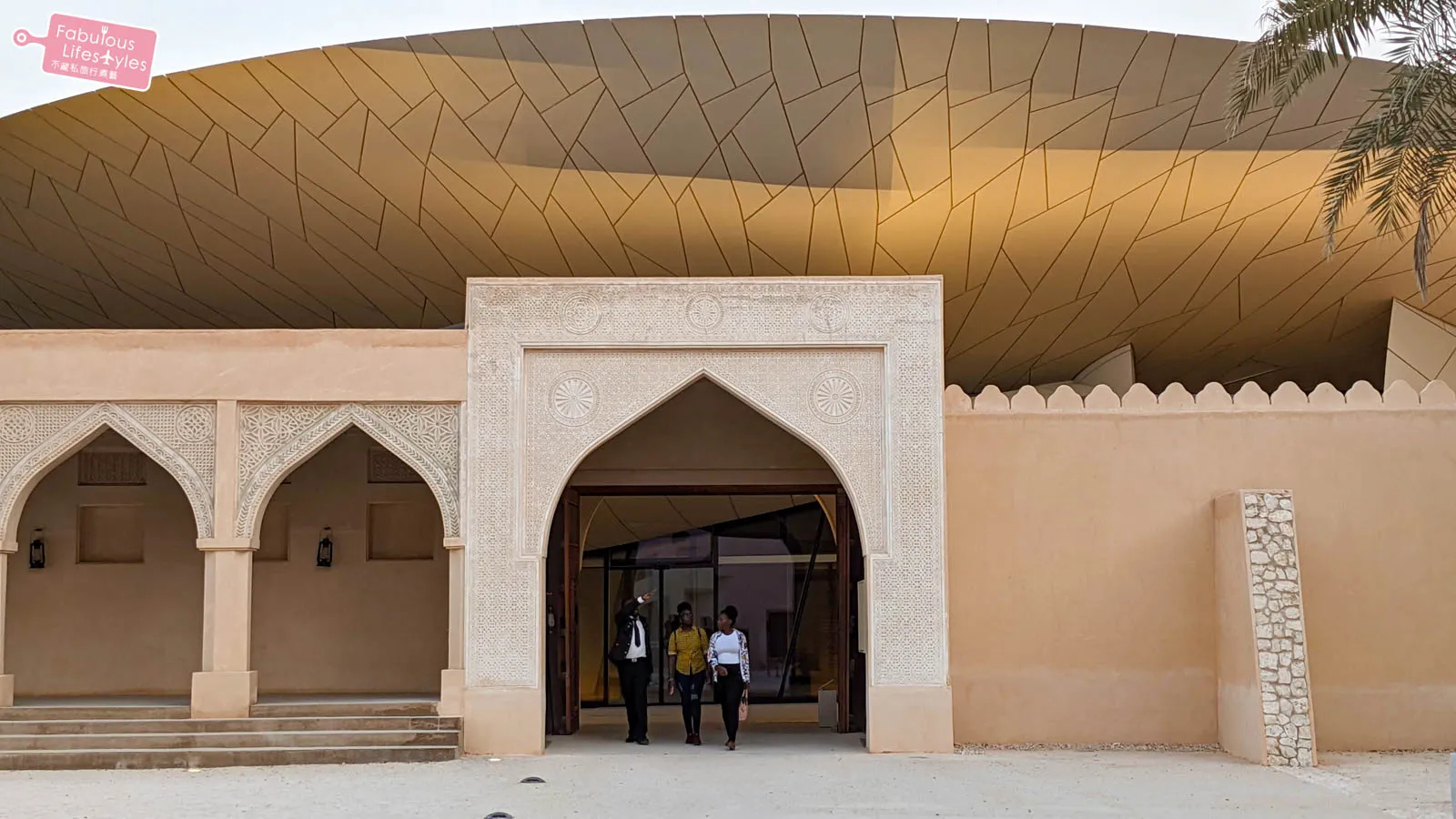
Doha's two most famous museums — the Museum of Islamic Art and the National Museum of Qatar — are often spoken of in the same breath, and while the National Museum sometimes plays second fiddle in terms of name recognition, visiting it in person completely won us over. The architecture alone is endlessly fascinating, and inside, it's abundantly clear that no expense was spared. Countless projectors cast perfectly calibrated images across the irregular curved walls, creating a premium environment in which to slowly take in Qatar's full story. The museum beautifully covers natural ecology, traditional culture, and rich human history, while also painting an inspiring picture of where Qatar is headed. The interactive kids' zones are a genuine highlight, and with free admission for children under 16, this is absolutely the kind of place the whole family can enjoy together. From the outside in — blooming like a magnificent desert rose — the National Museum of Qatar is one we'd enthusiastically recommend to anyone visiting Doha!
Doha Travel Resources
★ 【Transport】Doha Hop-On Hop-Off Bus | Car Rental
★ 【Tours】Doha Half-Day Tour | Desert Safari & Inland Sea Tour
★ 【Accommodation】Complete Doha Hotel Guide by District ★
If you're planning to spend more time exploring Doha, be sure to check out 👉🏻 7 Must-See Doha Attractions — Complete Guide for even more ideas!
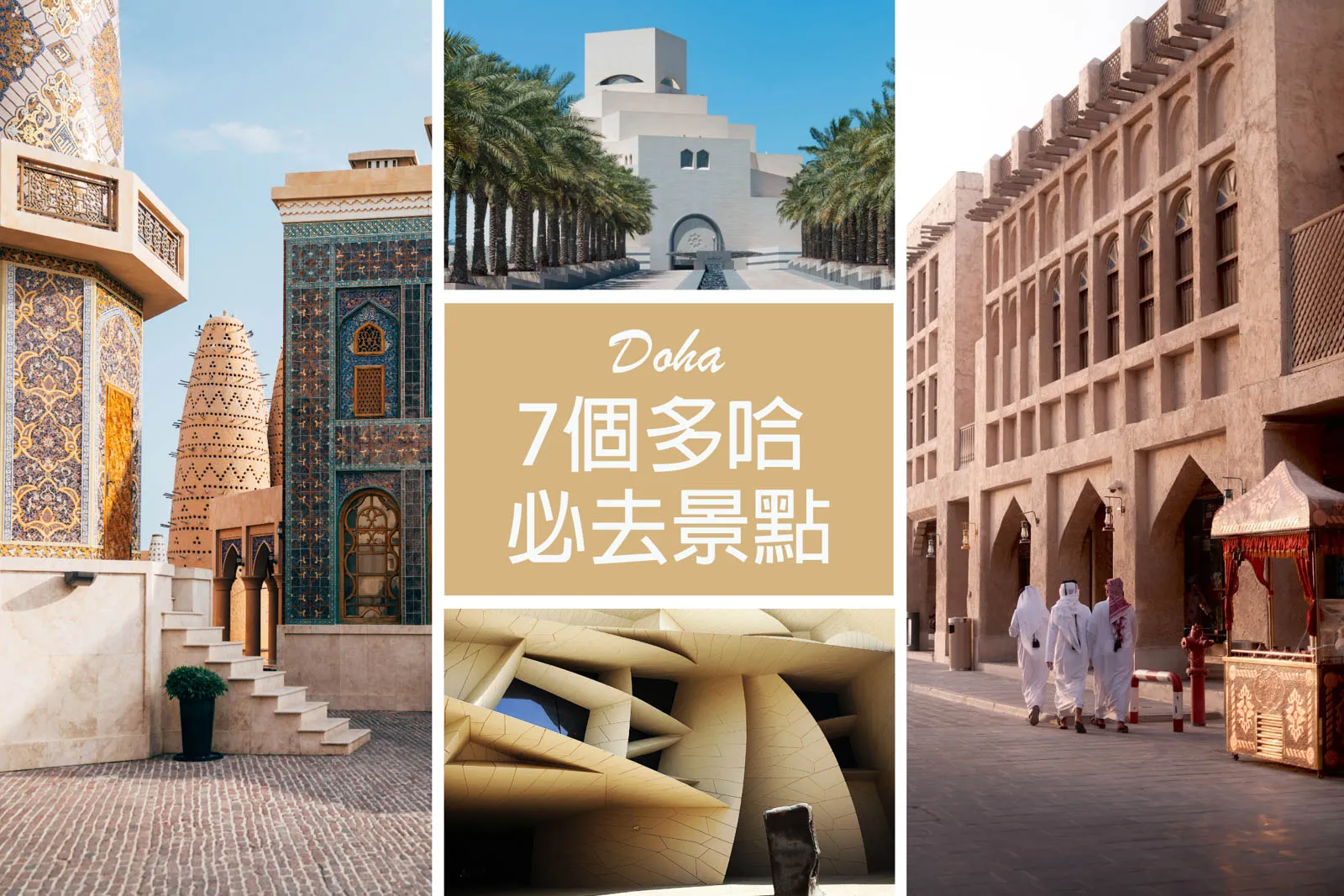
More Doha Travel Articles
【Qatar · Doha】7 Must-See Doha Attractions — Complete Guide
【Qatar · Doha】Complete Guide to Souq Waqif & Nearby Attractions
【Qatar · Doha】Is the Qatar Airways "Discover Doha" Layover Tour Worth It?
【Qatar · Doha】Complete Doha Hotel Guide by District ★
More Travel Guides
★ Middle East: Dubai | Abu Dhabi | Doha
★ USA: Las Vegas | San Francisco


